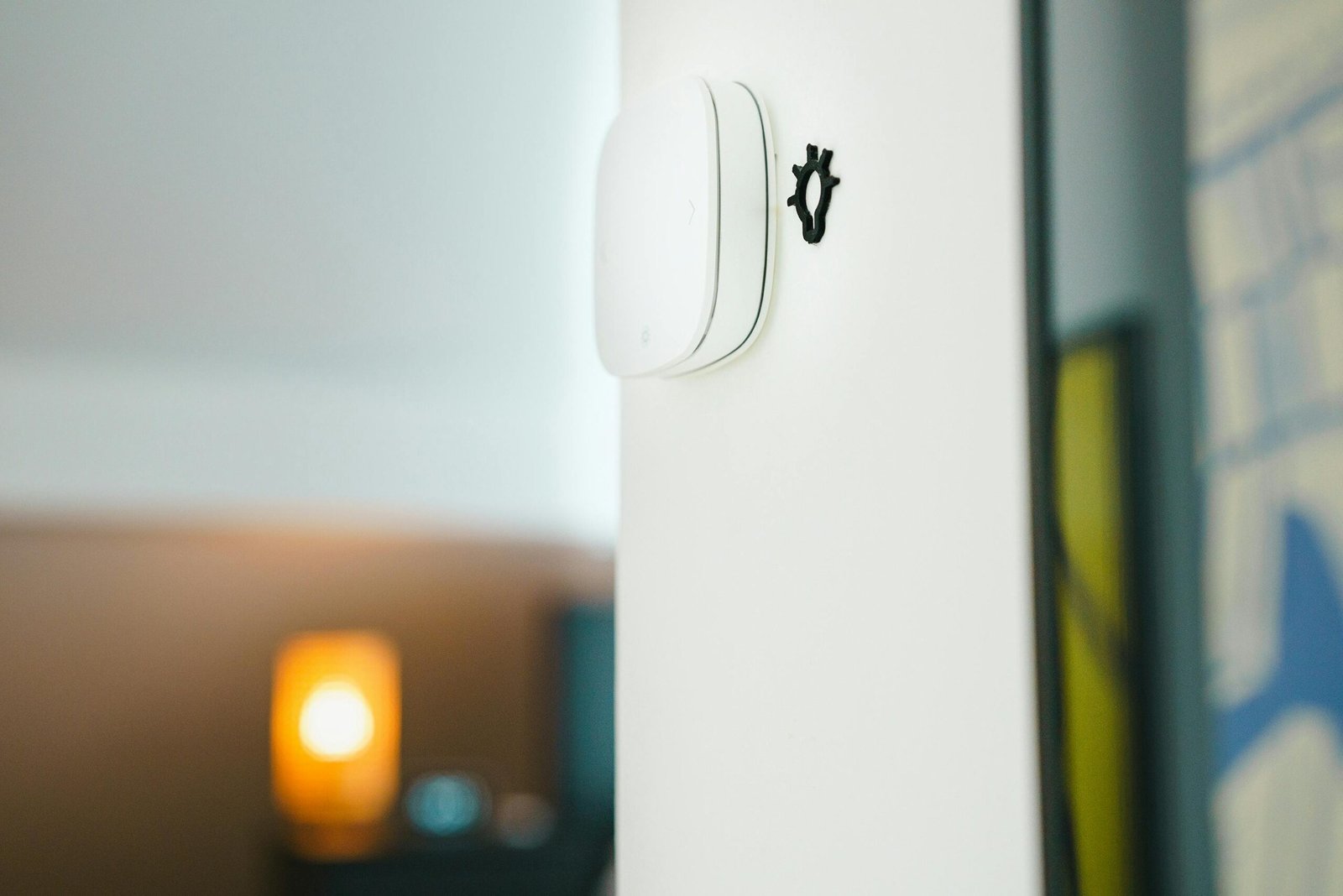
How technology is reshaping sustainable water use
Freshwater resources around the world are under increasing pressure due to population growth, climate change, and higher household demand. In many regions, including arid and semi-arid areas, water scarcity is becoming a daily challenge. Fortunately, modern technology offers practical and accessible solutions that help families reduce waste, cut water bills, and contribute to environmental conservation.
Today’s smart home devices are not only energy-efficient—they are now water-efficient too.
This article explores the best water-saving smart devices that every home can use, how they work, and why they matter.
1. Smart Water Leak Detectors
Water leaks are one of the biggest causes of household water loss. A tiny hidden leak can waste thousands of liters every month. Smart leak detectors help solve this quietly and efficiently.
How They Work
Smart leak detectors use sensors to identify moisture, unusual humidity patterns, or abnormal water flow. When a leak is detected, they immediately send alerts to your phone or smart hub.
Benefits
- Detect leaks early before they become costly.
- Prevent mold growth and structural damage.
- Save water silently without any extra effort from the homeowner.
Popular Examples
- Simple plug-in sensors under sinks
- Whole-house systems connected to your main water line.
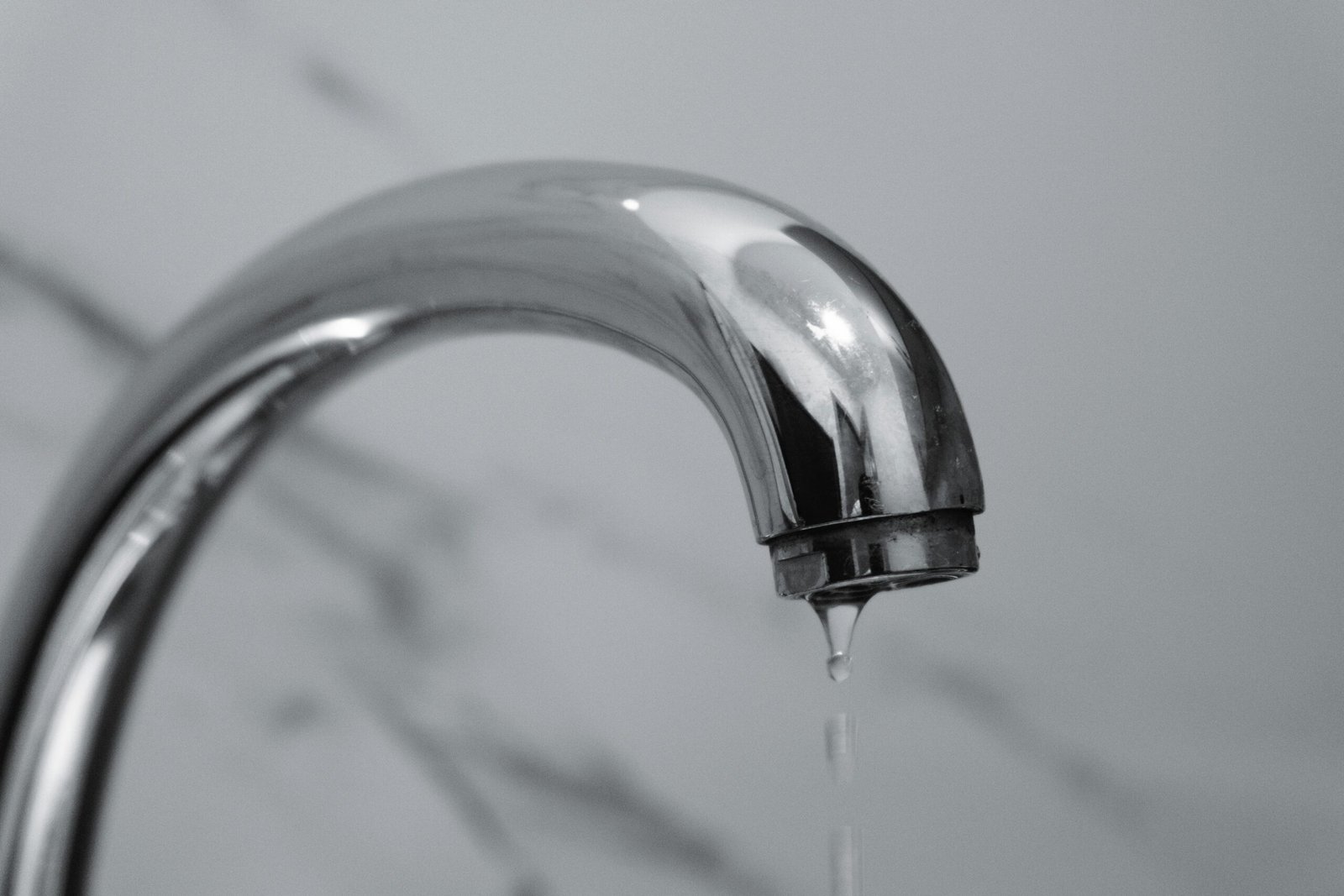
2. Smart Irrigation Controllers for Garden
Outdoor watering can represent up to 50% of household water use, especially in hot climates. Traditional sprinklers often overwater or run during rainfall. Smart irrigation controllers fix issues by using weather and soil data.
How They Work
These systems connect to the internet and gather information about:
- Weather forecasts
- Real-time rainfall
- Soil moisture levels
- Temperature and evaporation rates
They automatically adjust watering schedules to avoid waste.
Benefits
- Water lawns and gardens only when needed
- Reduce outdoor water use by up to 30-50%
- Keep plants healthier with precise moisture control
3. Low-Flow Smart Showerheads
Showers are major water consumers, but smart showerheads help reduce usage while keeping comfort high.
Features
- Flow reduction technology
- App-based usage monitoring
- Built-in timers and temperature controls
- Automatic shut-off when optimal temperature is reached
Why They Matter
A smart showerhead can cut water use by 20-40% and even inform you of your water consumption patterns, helping you adjust your habits.
4. Smart Faucets
Smart faucets use sensors and automation to control water flow precisely.
Key Features
- Motion sensors that turn water on/off automatically
- Timed water release
- Adjustable flow rates
- App-controlled temperature settings
These devices are especially useful in kitchens and bathrooms, where water is frequently wasted while washing dishes, washing teeth, or preparing food.
5. Smart Water Meters and Consumption Monitors
Smart meters give homeowners complete visibility over their water usage.
How They Work
They connect to your home’s plumbing and deliver real-time data to your phone or dashboard. You can see how much water each part of the house uses—kitchen, bathroom, outdoor taps, laundry, and more.
Benefits
- Identity unexpected spikes in consumption
- Make informed decisions about water-saving habits
- Compare daily, weekly or monthly usage
- Set alerts to avoid excessive water bills
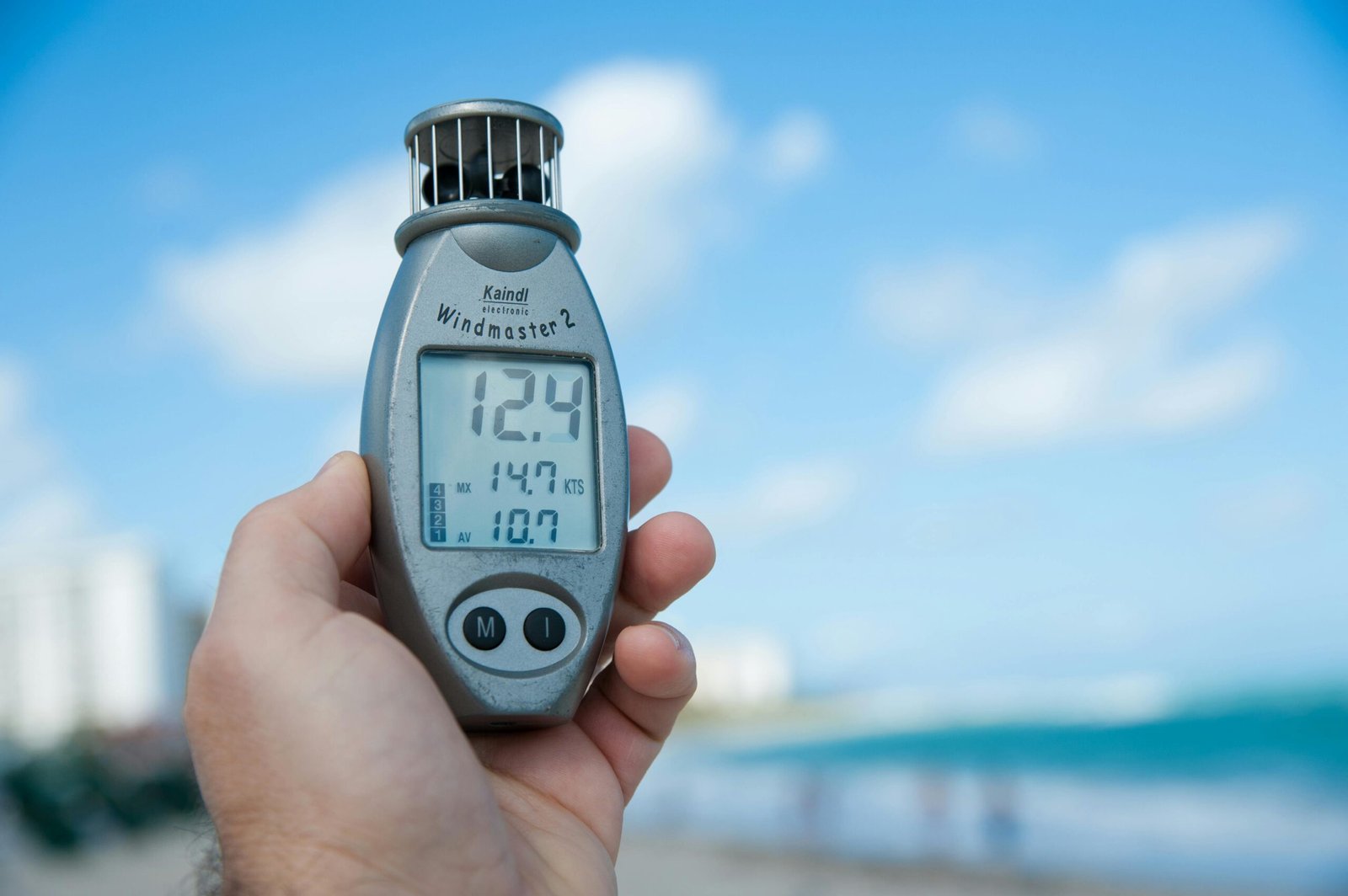
6. Greywater Recycling Systems
Greywater systems may not be “smart” in the digital sense, but modern versions now come with sensors and automated filtration that make them efficient and user-friendly.
What They Do
They capture water from:
- Showers
- Sinks
- Washing machines
Then treat and redirect it for reuse in the following:
- Toilets
- Garden irrigation
- Landscaping
Water Savings
Up to 40-60% reduction in freshwater demand
Some advanced systems now include:
- Automated pumps
- Filtration tracking
- App notification for maintenance
7. Smart Dishwashers and Washing Machines
Modern appliances are now designed to use minimal water while maintaining high performance.
Advanced Water-Savings Features
- Load sensors that adjust water volume
- Eco-wash modes
- Low-water spray technology
- Automatic detection of detergent levels
- Real-time water-use reporting
Replacing old appliances with smart, water-efficient ones can save thousands of liters per year.
8. Smart Water Heaters
Smart water heaters optimize both water and energy use.
How They Save Water
- Shorter heating times reduce the waiting period before hot water arrives
- Temperature control prevents overheating and waste
- Recirculation systems send cold water back to the tank, not down the drain
These features ensure comfort while reducing unnecessary water loss.
9. Smart Toilet Systems
Toilets are one of the largest water users inside any home, often using 6-12 liters per flush. Smart toilet systems dramatically reduce this without compromising performance.
Key Features
- Dual-flush automation (automatically picks the right flush volume).
- Leak detection inside the toilet tank.
- Water-use tracking via app
- Low-water vacuum flushing (in advanced models)
Benefits
- Reduce toilet water use by up to 50%
- Prevent silent leaks that waste hundreds of liters daily.
- Great for families and multi-occupant homes.
10. Smart Rainwater Harvesting Systems
Traditional rainwater tanks store water, but smart harvesting systems manage it efficiently using sensors and automation.
How They Work
- Rooftop rainwater is collected and directed into a tank.
- Sensors monitor in-tank level, water quality, and filtration.
- Smart pumps distribute harvested water for:
- Garden irrigation
- Toilet flushing
- Laundry
- Cleaning
Water Savings
Home can reduce freshwater demand by 30-70%, depending on rainfall and usage.
Advanced Features
- The app alerts when the tank is full or needs cleaning
- Automatic switch between rainwater and municipal water
- Water flow optimization for different household uses.
Why Water-Saving Smart Devices Matter
1. Environmental Impact
Every drop saved reduces pressure on local water sources. In drought-prone regions, adopting smart water technology is critical for sustainability.
2. Lower Water Bills
Investing in smart devices pays off over time. Leak detectors alone can save homeowners the cost of expensive repairs.
3. Convenience and Control
Smart water devices work automatically, reducing human error and ensuring efficient water use without changing your lifestyle.
4. Future-Proofing Homes
As water scarcity increases globally, homes equipped with smart water-saving technologies will have higher value and lower long-term operating costs.
Practical Tips for Getting Started
- Begin with small, affordable devices like leak detectors or smart showerheads.
- Upgrade to smart irrigation if you have a garden or farm area.
- Consider replacing old appliances with water-efficient smart machines.
- Use a smart meter to track your progress.
- Educate your household on how to use the systems effectively.
Conclusion
Water-saving smart devices are no longer luxury gadgets—they are essential tools for sustainable and efficient living. From leak detectors to smart irrigation, these technologies make it easier than ever to conserve water without sacrificing comfort or convenience. Every household, regardless of size or location, can benefit from adopting at least a few of these solutions.
If everyone integrates smart water technologies, the collective global impact will be significant—protecting our resources, lowering utility costs, and creating a greener future for generations to come.