
Want to cut your carbon footprint, save money, and look like a futuristic eco-hero while you’re at it? Here’s a deep (but friendly) tour of the top 10 green gadgets for 2025—why they matter, what they do, and a few real models to consider.
1) Whole-home battery systems—the backbone of home clean energy
Why it matters: home batteries store excess solar (or cheap nighttime grid power) and supply it during peak times or outages, letting you use more renewable energy and cut peak charges. They’re central to energy independence and decarbonizing homes.
What to look for: usable capacity (kWh), continuous/peak power (kW), whether the inverter is integrated, expandability, warranty, and smart-energy features.
Example picks: Tesla Powerwall remains a mainstream leader for residential battery storage. Newer competitors (e.g., EcoFlow’s Ocean Pro) are pushing higher power and modular capacity, expanding options for whole-home installations.
2) Portable solar chargers & solar power banks—charge on sunlight, not the grid
Why it matters: Portable solar panels and solar power banks let you recharge phones, cameras, and even laptops from sunlight—handy for travel, outages, and lowering grid consumption. Tech has improved for durability and conversion efficiency.
What to look for: real wattage (not marketing), USB-C-PD support, weather rating (IP), foldability and weight, and whether the panel works while charging a battery pack.
Example picks: BigBlue foldable panels and Anker/BigBlue solar power banks are commonly recommended in 2025 roundups and tests.

3) Smart thermostats—easy HVAC savings with learning and scheduling
Why it matters: heating and cooling are typically the largest home energy draws. Smart thermostats reduce wasted runtime through schedules, occupancy detection, and learning algorithms—real, measurable savings when used correctly.
What to look for: compatibility with your HVAC system, zoning support, remote sensors, integration with solar/battery or demand pricing, and proven energy-saving features.
Example picks: Google Nest and Ecobee continue to lead the category for features and ecosystem integrations. Check for ENERGY STAR or independent test results for local savings estimates.
4) Home energy monitors/HEMS—see what’s using energy so you can fix it
Why it matters: you can’t fix what you can’t see. Energy monitors that clamp into your electrical panel reveal real-time usage, identify wasteful loads, and help you prioritize upgrades. Studies show HEMS can cut consumption and shift loads off-peak.
What to look for: device-level recognition, solar monitoring, cloud vs. local processing, and actionable alerts/recommendations.
Example picks: Sense and similar whole-home monitors are widely used to reveal “vampire” loads and inform behavior changes. Utility pilot projects have used those devices to reduce bills and peak demand.
5) Smart plugs & advanced power strips—eliminate “vampire” power
Why it matters: many devices draw power while “off.” Smart plugs and power strips can schedule, cut standby power, and automate appliances so you don’t waste electricity (and money). Used thoughtfully, they’re a cheap, high-ROI upgrade.
Caution: Avoid dubious “magic” energy-saving boxes sold as voltage stabilizers—they’re often unsafe and ineffective. Buy known brands and look for energy-monitoring features.
Example picks: TP-Link Kasa smart plugs, Eve Energy (HomeKit/Thread/Matter support), and smart strips with master-slave outlets are common, practical choices.
6) Efficient lighting: LED smart bulbs & circadian lighting systems
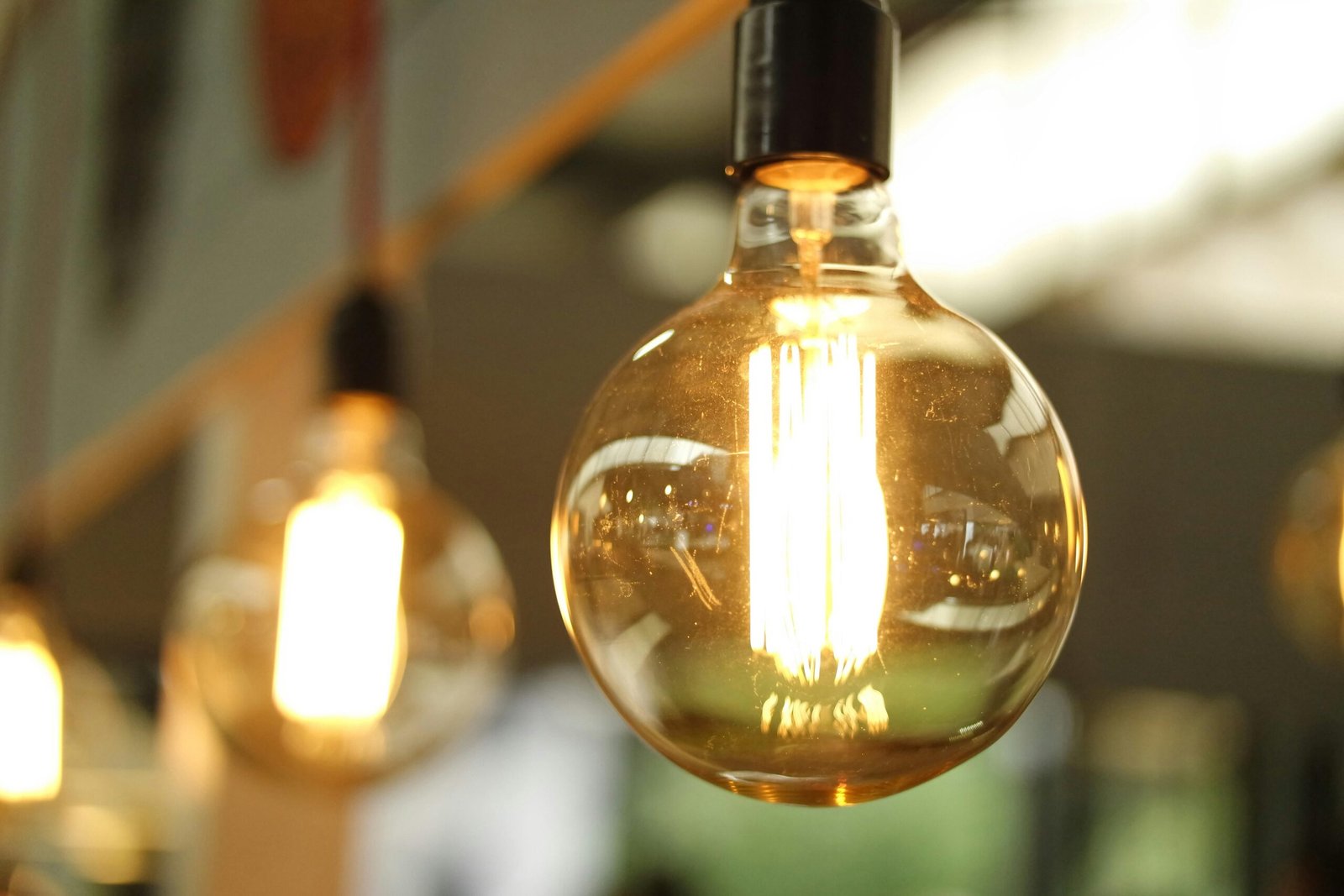
Why it matters: LED bulbs use a fraction of old incandescent power, last longer, and when combined with smart scheduling or daylight sensors, they save additional energy while improving comfort. IoT lighting systems can dim or color-temperature tune to match natural rhythms.
What to look for: lumens per watt, CRI (color quality), integration with Matter/your smart home hub, and dimming range.
Example picks: Philips Hue and other major smart lighting ecosystems remain top picks for reliability and broad integrations.
7) High-efficiency appliances & induction cooktops—swap the heavy energy users
Why it matters: Upgrading to ENERGY STAR-related appliances, heat pumps or inverter HVAC, heat pump water heaters, or induction cooktops dramatically reduces household energy use compared with older models or gas/legacy electric tech.
What to look for: COP/EER/SEER ratings for heating/cooling, heat pump water heater efficiency, and whether induction cooktops match your cookware and cooking habits. Government rebates often help with big upgrades.
(For national rebate/installation specifics, check local energy authorities—appliance economics vary by region.
8) E-bikes and micro-mobility-cut car trips and cut emissions
Why it matters: replacing short car trips with e-bike trips is one of the fastest ways to reduce transport emissions and commute costs. Modern e-bikes provide long ranges, better battery tech, and commuter-friendly features. Reviews and category tests in 2025 highlight lightweight commuter models with 40-60+ km ranges.
What to look for: battery range, weight, integrated lights/fenders/racks for commuting, and local laws about speed/assist levels.
Example picks: The 2025 market is broad—commuter-focused models from Lectric, Aventon, Velotric, and other brands regularly appear in “best of” lists.
9) Sustainable personal tech—recyclable materials and repairable designs
Why it matters: gadgets made from recycled plastics, aluminum bodies, or modular/repairable designs reduce lifecycle environmental impact. Buying durable, repairable items (or brands with trade-in/recycling programs) helps reduce e-waste overall.
Example trends & products: modular phones, phone cases made from compostable materials, and toothbrushes designed for recyclable heads (e.g., newer sustainable electric toothbrush designs) are more common in 2025. If you want an eco toothbrush, brands offering plant-based replacement heads and aluminum bodies are worth considering.
10) Smart irrigation & water-saving gadgets—cut water & energy footprint
Why it matters: Pumping, treating, and heating water consumes energy. Smart irrigation controllers, low-flow smart showerheads, and leak detectors reduce water use and the energy tied to it. IoT controllers that use local weather forecasts and soil data can prevent huge water waste. (Also check for local rebates for water-saving upgrades).
What to look for: weather integration, soil moisture sensors, easy scheduling, and leak detection alerts.

How to pick (quick buyer’s checklist)
- Measure first: install an energy monitor—it tells you the best targets.
- Prioritize high-impact upgrades: batteries + solar, HVAC (thermostat + heat pump), and major appliances.
- Watch for standards: Matter, ENERGY STAR, IP ratings, and credible safety certifications. Avoid cheap “energy-saving” gadgets without certification.
- Use rebates: many regions have incentives for batteries, heat pumps, or efficient appliances—factor rebates into your ROI.
- Think lifecycle: prefer repairable, recyclable, or modular devices and brands with take-back programs.
Final notes: real savings vs hype
Technology in 2025 is making green choices easier and more impactful. Real savings usually come from system upgrades (batteries + solar, efficient HVAC, and better appliances) and better behavior informed by monitoring—not from one single tiny gadget. Use smaller smart devices (plugs, sensors, bulbs) to optimize and automate, but prioritize the big winners first. Studies and utility pilots show that home energy management systems and smart controls often yield measurable energy reductions when used properly.