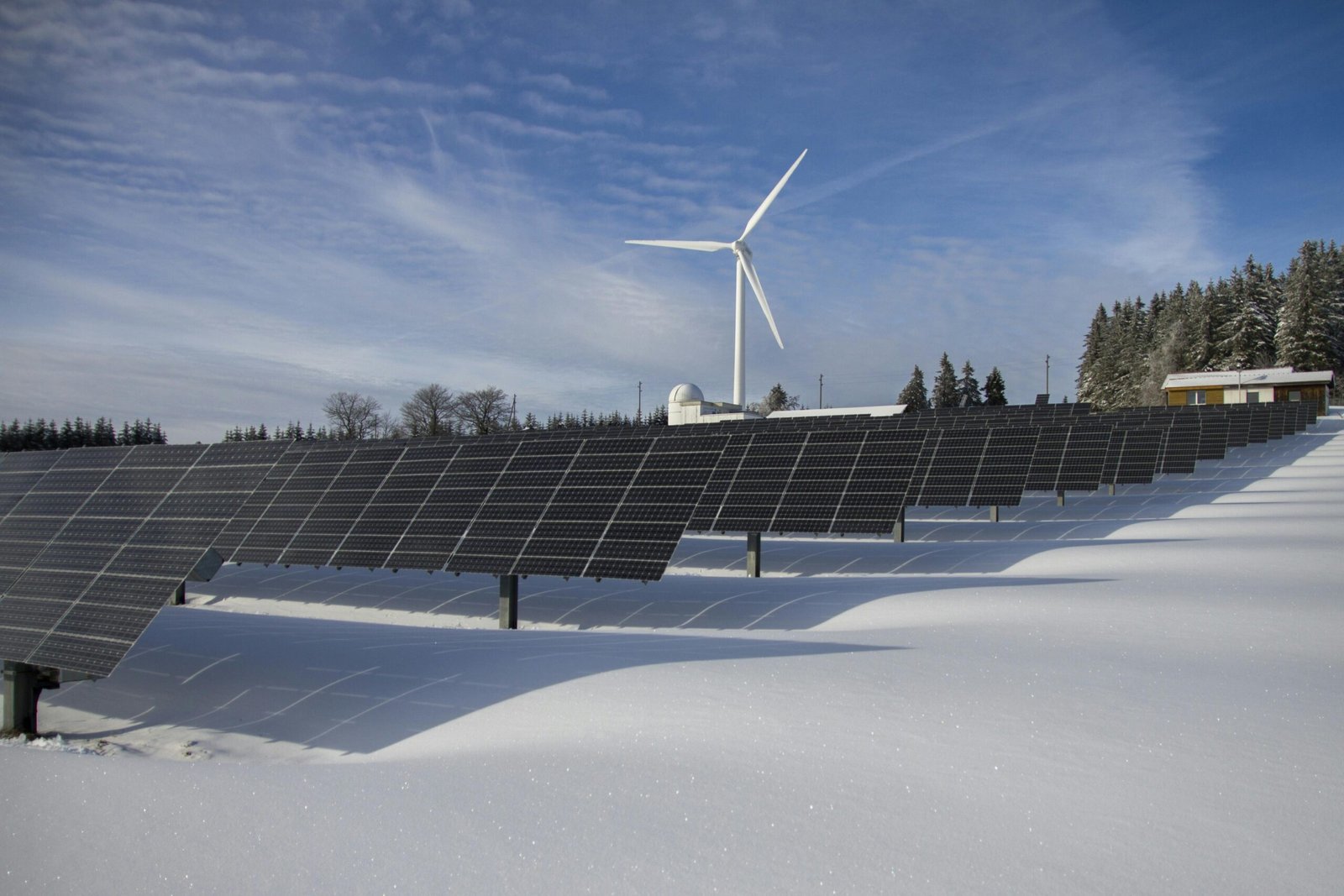
In the past decade, solar energy has transformed from a niche option to a mainstream solution for powering homes. Falling solar-panel costs. Improved battery technology and growing environmental awareness have pushed millions of homeowners worldwide to adopt renewable energy. But the next phase of this clean-energy revolution goes beyond installation of panels alone. Today’s smart solar systems are reshaping how homes generate, store, and manage more power—bringing unmatched efficiency, automation, and independence.
Smart solar technology combines solar panels with digital monitoring, intelligent inverters, connected battery storage, and AI-driven power management. Together, these systems allow homeowners not only to harness the sun but also to optimize energy use in real time. This shift marks a turning point in how we think about home electricity, moving from passive consumption to active energy management.
What Are Smart Solar Systems?
A smart solar system is an advanced, technology-driven solar setup that integrates the following:
- High-efficiency solar panels.
- Smart inverters capable of two-way communication.
- AI-powered monitoring platforms.
- Battery energy storage systems (BESS).
- Smart appliances and IoT devices.
- Real-time data analytics and automation.
Unlike traditional solar systems—which simply convert sunlight into electricity—smart systems analyze energy production, weather patterns, consumption habits, and utility grid conditions. They automatically adjust when and how power is used, stored, or shared with the grid.
For example, a smart solar system can decide whether to power your home directly, store energy for later use, or sell excess electricity back to the grid during peak-pricing hours.
How Smart Solar Systems Work
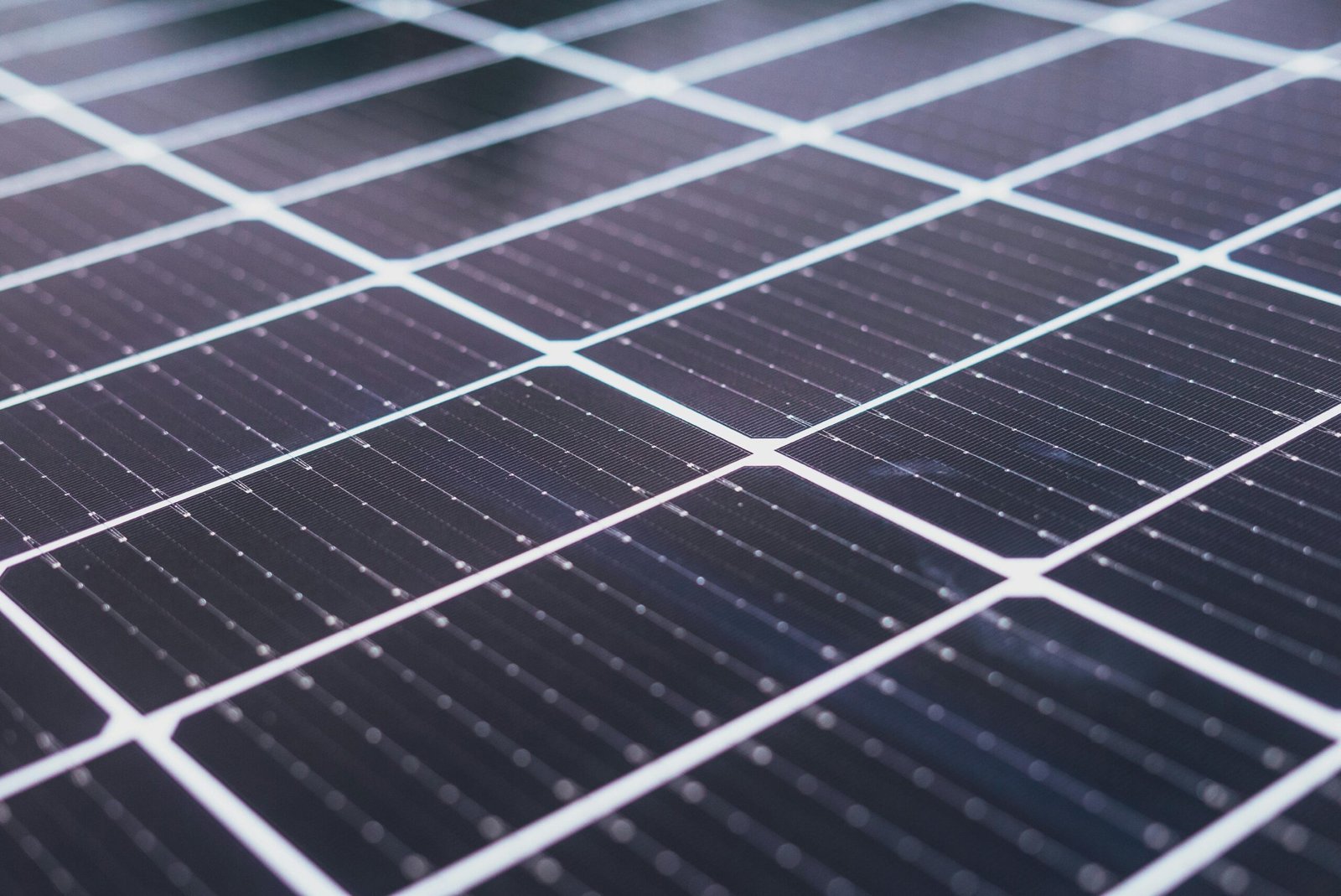
Smart solar systems use sensors and smart inverters to collect real-time data on sunlight availability, household energy demand, and grid conditions. This data is processed using smart algorithms that decide where energy should go—whether it should power appliances, charge batteries, or be sent back to the grid. During the day, excess energy can be stored in batteries for nighttime use, reducing reliance on traditional power sources. When paired with smart home devices, the system can automatically schedule energy-intensive tasks, such as running washing machines or charging electric vehicles, during peak solar production hours.
The key components of smart solar technology
a. Smart Inverters
These are the “brains” of the system. Modern inverters convert DC to AC and monitor electricity flow, track grid conditions, and communicate with home-energy systems.
Smart inverters can:
- Detect and isolate faults
- Regulate voltage and frequency
- Optimize panel performance
- Enable remote troubleshooting
b. Battery Storage Systems
Brands like Tesla Powerwall, LG Chem, and BYD have popularized home energy storage. When combined with AI, batteries learn your habits, storing energy for times when electricity is expensive or during outages.
c. Energy Management Apps
Users can track:
- Current solar production
- Battery charge levels
- Household energy consumption
- Real-time and historical data
Apps provide recommendations: “Run your washing machine now—solar output is high.”
d. Smart Home Integration
A smart solar system can communicate with the following:
- Smart thermostats
- Water heaters
- Electric vehicle chargers
- Smart plugs
- Backup generators
This allows a fully automated home energy ecosystem.
Benefits Of Smart Solar Systems
1. Maximum Efficiency
Smart solar systems optimize energy use by predicting sunlight hours, weather changes, and consumption patterns. They ensure minimal waste and maximum savings.
2. Lower Electricity Bills
By using solar energy when it’s most abundant and storing or selling excess power at the right times, homeowners significantly reduce electricity costs.
3. Energy Independence
With solar panels and smart batteries, a house becomes less dependent on the public grid. During blackouts, the system automatically switches to stored solar energy.
4. Increased Home Value
Homes equipped with smart solar systems often see higher resale value due to reduced utility costs and modern tech appeal.
5. Environmental Impact
A smart solar system reduces carbon emissions more efficiently than traditional solar because it ensures optimal usage of every kilowatt produced.
Real-World Applications
a. Smart EV Charging
Electric vehicles can charge during peak solar production hours. Smart algorithms schedule charging automatically to prevent drawing expensive grid power.
b. Time-of-Use Optimization
In areas where electricity prices fluctuate throughout the day, smart systems shift consumption to low-cost periods and sell energy during high-cost periods.
C. Smart Microgrids
Neighborhoods and rural communities are increasingly setting up interconnected smart solar microgrids that can operate independently from the main grid.
d. Off-Grid Living
Smart solar allows remote homes to run refrigerators, air conditioners, water pumps, and security systems all self-sufficiently.
The Role of AI and Machine Learning
Artificial intelligence plays a crucial role in turning solar systems from “dumb” to truly smart. AI models can:
- Predict solar output based on weather forecasts
- Identify energy losses or panel faults
- Optimize battery charge/discharge cycles
- Automate charging of home appliances
- Balance energy between home use and grid feedback
Some systems even predict electricity prices and maximize savings by selling power at the most profitable times.
Challenges and Considerations
Although promising, smart solar systems come with challenges:
- Initial Cost
Installing panels, small inverters, and batteries can be expensive, though prices continue to fall.
- Internet dependency
Smart systems require reliable internet for monitoring and AI optimization.
- Compatibility issues
Not all existing appliances integrate smoothly with smart energy platforms.
- Cybersecurity
As more homes adopt connected energy systems, protecting them from digital threats becomes crucial.
The Future of Smart Solar Technology
The next decade will bring even smarter, more seamless solar integration:
- Bidirectional EVs
Electric cars will become mobile batteries that power your home.
- Fully Autonomous Homes
Energy usage schedules—like when to heat water or run appliances—will be entirely automated.
- Peer-to-Peer Solar Trading
Homeowners will buy and sell energy directly to neighbors using blockchain technology.
- Ultra-Efficient Panels
Emerging materials like perovskites will significantly boost efficiency.
- National Smart Grids
Governments will build AI-driven supergrids that coordinate power flow from millions of homes.
The result? A cleaner, smarter, and more resilient global energy landscape.
Conclusion
Smart solar systems represent the next frontier in home energy. They are more than just panels; they are intelligent ecosystems that generate, store, manage, and optimize power. As technology evolves, every home can become a mini power plant—efficient, self-sustaining, and environmentally friendly.
Whether you are looking to reduce costs, become more energy independent, or contribute to a greener planet, smart solar systems offer one of the most promising solutions for the future of home power.