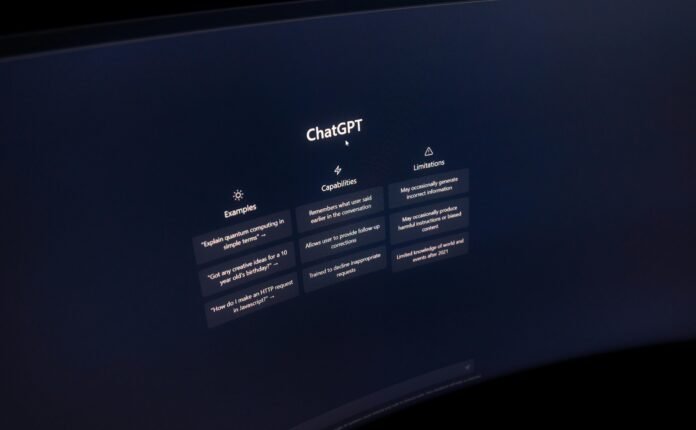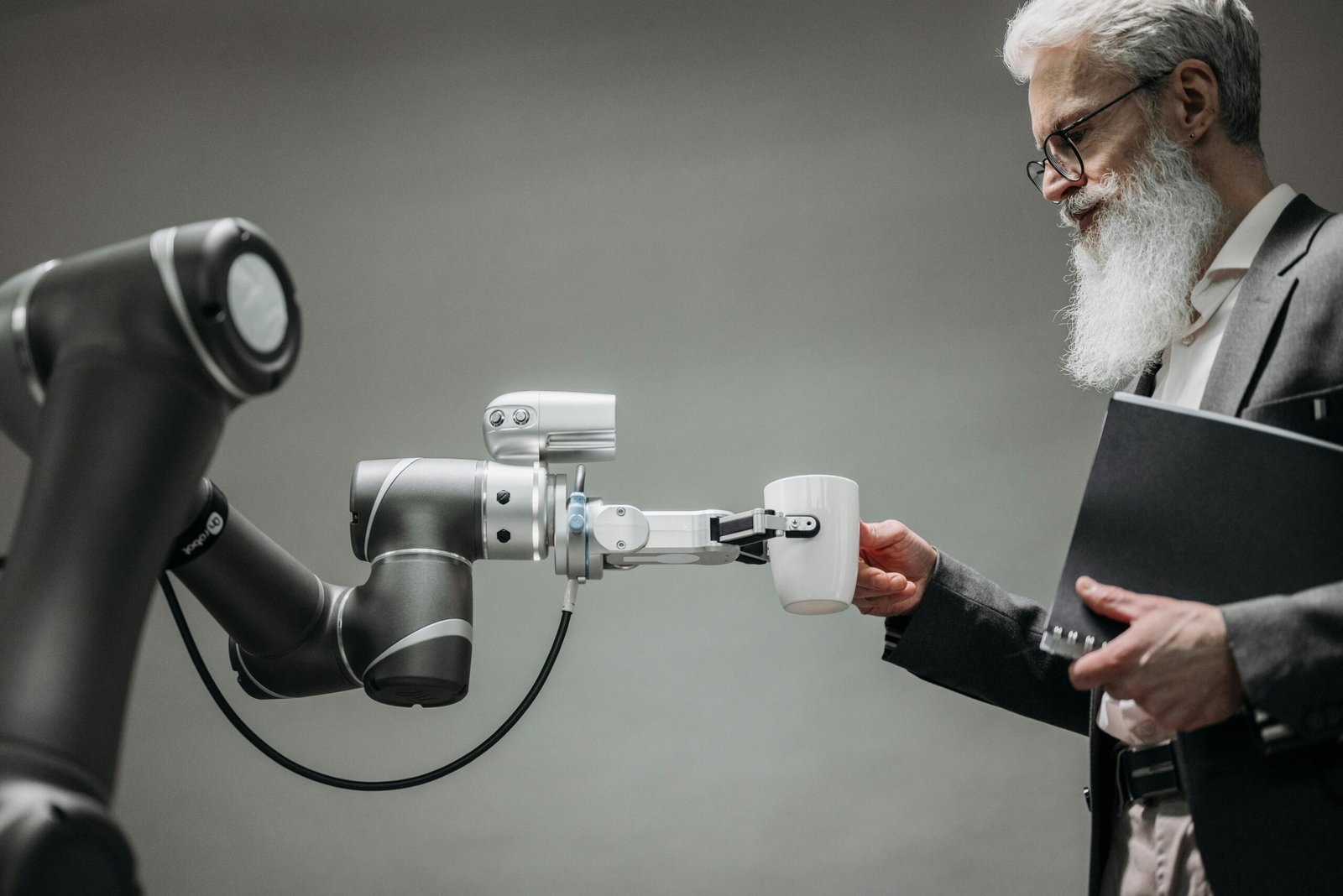
Artificial intelligence has changed the world of work faster than any technology in recent history. From automated chatbots to self-driving cars and advanced data analysis tools, AI is reshaping how businesses operate. This has sparked a major global question: Is my job safe?
While AI is becoming more powerful, there are still many careers that cannot be fully replaced, especially those requiring human creativity, empathy, judgment, and physical dexterity in unpredictable environments. AI enhances these jobs but rarely eliminates them.
Below is a deep look at the fields and professions that remain highly resistant to automation—and why humans will continue to be essential.
1. Jobs That Rely on Human Creativity
Creativity is one of the hardest skills for AI to genuinely replicate. While AI can generate ideas or mimic styles, it lacks the human imagination, lived experience, and emotional depth that real creativity requires.
a) Writers, Authors and Storytellers
AI can draft text, but it does not have personal memories, cultural nuance, or emotional truth. Human authors bring unique perspectives and authentic emotional expression that AI cannot fully imitate.
b) Graphic Designers, Artists & Illustrators
Creativity in art is subjective and deeply tied to human culture. Artists innovate, break rules, and create new styles—not just remix existing data.
c) Musicians, Composers & Performers
AI can generate melodies, but it cannot replicate human passion, stage presence, or the cultural role of performance.
2. Jobs That Require Deep Human Interaction
Any profession centered on empathy, trust, and emotional intelligence is difficult for AI to replace.
a. Psychologists, Therapists & Counselors
Therapy depends on emotional connection, understanding trauma, and reading subtle human expressions—areas where AI is limited.
b. Social Workers
Social situations are unpredictable and highly human. AI cannot comfort, protect, or negotiate complex social environments.
c. Teachers & Educators
AI can assist in education, but the role of a teacher as mentor, motivator, and classroom leader is irreplaceable.
3. Jobs Requiring Physical Skill in Unstructured Environments
Robots work well on repetitive tasks, but humans excel in workplaces that are random, changing, or physically complex.
a. Construction Workers & Technicians
Building sites are dynamic—terrain changes, materials vary, and unexpected issues occur. Robots struggle with this variability.
b. Electricians & Plumbers
These jobs require problem-solving in tight spaces, old equipment, and unfamiliar buildings. AI cannot handle such unpredictable situations reliably.
c. Emergency Responders (Firefighters, Paramedics)
Rescue missions involve danger, rapid decisions, and moral judgment—tasks where humans outperform machines.
4. Jobs That Depends on Human Judgment and Ethics
These careers require critical thinking, ethics, and accountability—areas where AI can not legally or morally replace humans.
a. Lawyers & Judges
AI can help analyze documents, but legal decisions require interpretation, fairness, and moral consideration.
b. Doctors & Surgeons
AI assists with diagnosis, but human responsibility is required for patient decisions, communication, and surgical judgment.
c. Managers & Leaders
Leadership is more than data—it’s vision, motivation, negotiation, and emotional intelligence. AI cannot inspire teams.

5. Jobs Requiring Human Trust and Personal Presence
In many industries, clients prefer interacting with real humans because trust and personality matter.
a. Real Estate Agents
Buying a home is emotional. Clients want reassurance, negotiation, and human advice.
b. Chefs & Culinary Experts
Food is culture and emotion. AI can automate cooking, but taste innovation and presentation remain human-driven.
c. Skilled Craftspeople (Carpenters, Tailors, Jewelers)
Handmade craftsmanship carries unique value. AI cannot replace human artistry and precision in these fields.
6. Jobs That Rely on Creativity + Human Interaction (Hybrid Roles)
Some of the safest careers blend both creativity and people skills.
a. Marketing Strategists
AI can collect data, but understanding human behavior and crafting emotional campaigns still require human insight.
b. Event Planners
Events involve culture, human preference, and unexpected challenges—AI cannot manage these alone.
c. Human Resource Professionals
Hiring the right people requires emotional intelligence, negotiation, and conflict resolution.
7. Jobs That Involve High-Level Negotiation and Diplomacy
These roles demand complex communication, cultural awareness, persuasion, and strategic thinking—abilities AI cannot fully replicate.
a. Diplomats
International relations require understanding emotions, politics, and cultural nuance.
b. Professional Negotiators
Whether in business deals or conflict resolution, negotiations depend on trust, intuition, and reading human behavior.
c. Mediators & Arbitrators
Human disputes involve emotion, personal history, and social dynamics—things AI cannot navigate.
8. Jobs That Depend on Human Adaptation and Improvisation
Some fields require workers to improvise instantly in fast-changing environments.
a. Journalists & Reporters
Chasing breaking news, asking probing questions, and understanding context require human decision-making.
b. Photographers & Videographers
Capturing the perfect moment, reading emotions, directing people—AI cannot match this creative spontaneity.
c. Field Researchers
Whether studying wildlife or cultures, researchers must adapt to unpredictable real-world challenges.

9. Jobs Connected to Human Culture, Tradition and Identity
AI cannot replicate the cultural meaning behind certain crafts and roles.
a. Religious Leaders
Spiritual guidance, moral teaching, and community support are deeply human roles.
b. Cultural Performers
Traditional dancers, poets, storytellers, and artisans present heritage, something AI cannot authentically recreate.
c. Historians & Anthropologists
Interpreting human history and culture requires depth, empathy, and contextual understanding.
10. Jobs That Depend on Personal Brand and Human Presence
Some professionals succeed largely because of their personality, image, humor, or charisma.
a. Influencers & Content Creators
People follow human stories, emotions, and authenticity—not algorithms.
b. Public Speakers & Motivational Coaches
Motivating an audience relies on human connection and life experience.
c. Entrepreneurs
Building businesses requires vision, risk-taking, and leadership—skills AI does not possess.
Why These Jobs Will Survive AI
AI is powerful, but it has clear limits:
- AI lacks emotional intelligence
It cannot truly empathize, comfort, or inspire.
- AI struggles with physical unpredictability
Robots do not adapt well to changing, messy, real-world environments.
- AI can not assume moral responsibility
People expect human accountability in legal, medical, and ethical decisions.
- AI can not innovate authentically
It predicts patterns—it does not imagine or dream.
- AI can not replace human connection
Many industries rely on trust, emotion, and personal presence.
Preparing Yourself for the Future
Even if your job is safe from full automation, here are steps to future-proof your career:
- Learn to use AI tools instead of fearing them
AI skills will make you more productive and valuable.
- Strengthen your human-only abilities.
Creativity, emotional intelligence, leadership, and ethical judgment.
- Stay adaptable and curious
The future belongs to learners, not know-it-alls.
- Build strong communication skills
Clear communication is possible to automate.
Final Thoughts
AI is transforming the world, but it won’t replace humans in every job—especially roles requiring creativity, empathy, moral reasoning, and physical adaptability. Instead of replacing us, AI will likely work alongside us, automating repetitive tasks and empowering professionals to focus on the human aspects of their work.
So, is your job safe?
If you’re in a career that involves human connections, creativity, leadership, or hands-on expertise, then the answer is
Yes—your job is not only safe but will become even more valuable in an AI-driven world.