The way we power and heat our homes is changing fast. Artificial-Intelligence (AI) once the stuff of sci-fi-is now a practical tool that can shave energy bills, reduce emissions and make home life more comfortable. This article walks through how AI is transforming home energy efficiency: the concrete technologies, how they work, the benefits and risks and practical steps for homeowners and policymakers to take today.
Why home energy efficiency matters now
Homes account for a large share of energy use in most countries-heating, cooling, hot water, appliances, lighting-and most of that energy is wasteful in some way. Small inefficiencies multiply across millions of homes, Improving efficiency reduces bills, lowers greenhouse-gas emissions and eases pressure on electric grids (especially at peak times). AI’s ability to learn patterns, predict future needs and coordinate many devices simultaneously makes it uniquely powerful for making homes significantly more efficient.
The Way AI drives Energy Savings (Practical Examples)
1. Intelligent climate control (smart thermostats taken further)
Modern smart thermostats already learn schedules; AI makes them proactive rather than reactive:
- Predicts when you’ll be home or asleep by combining occupancy patterns, calendar data and local weather forecasts.
- Optimizes HVAC runtime to reach comfort targets with the least energy – e.g; preheating pre-cooling only when needed.
- Learns thermal dynamics of the building (how fast rooms heat/cool) and uses that to reduce overshoot and unnecessary runtime.
Result: the house only uses heating/cooling when it yields actual comfort, cutting runtime and energy.
2. Predictive maintenance for appliances and systems
AI models monitoring sensor data (vibration, current draw, temperature) can detect unusual patterns long before a system fails:
- Detect a failing compressor on an HVAC, schedule repair before efficiency plummets.
- Spot a refrigerator’s motor drawing extra current and alert the homeowner-fixing it saves energy and prevents food loss.
Small maintenance issues often increase energy consumption quietly; catching them early preserves both efficiency and equipment life.
3. Optimized appliance scheduling and load shifting
AI can schedule flexible loads (dishwashers, laundry, EV charging, water heating) to times that lower both cost and grid strain:
- Shift high-energy tasks to off-peak hours or times renewable supply.
- Split a laundry cycle intelligently (e.g; heat water partially during solar surplus).
- Co-ordinate EV charging across multiple homes in a building to avoid overloading circuits.
This result is lower bills (time of use-pricing) and reduces peak demand charges for the grid.
4. Coordinate distributed energy resources (DERs)
Homes increasingly when no-site solar, batteries, heat pumps:
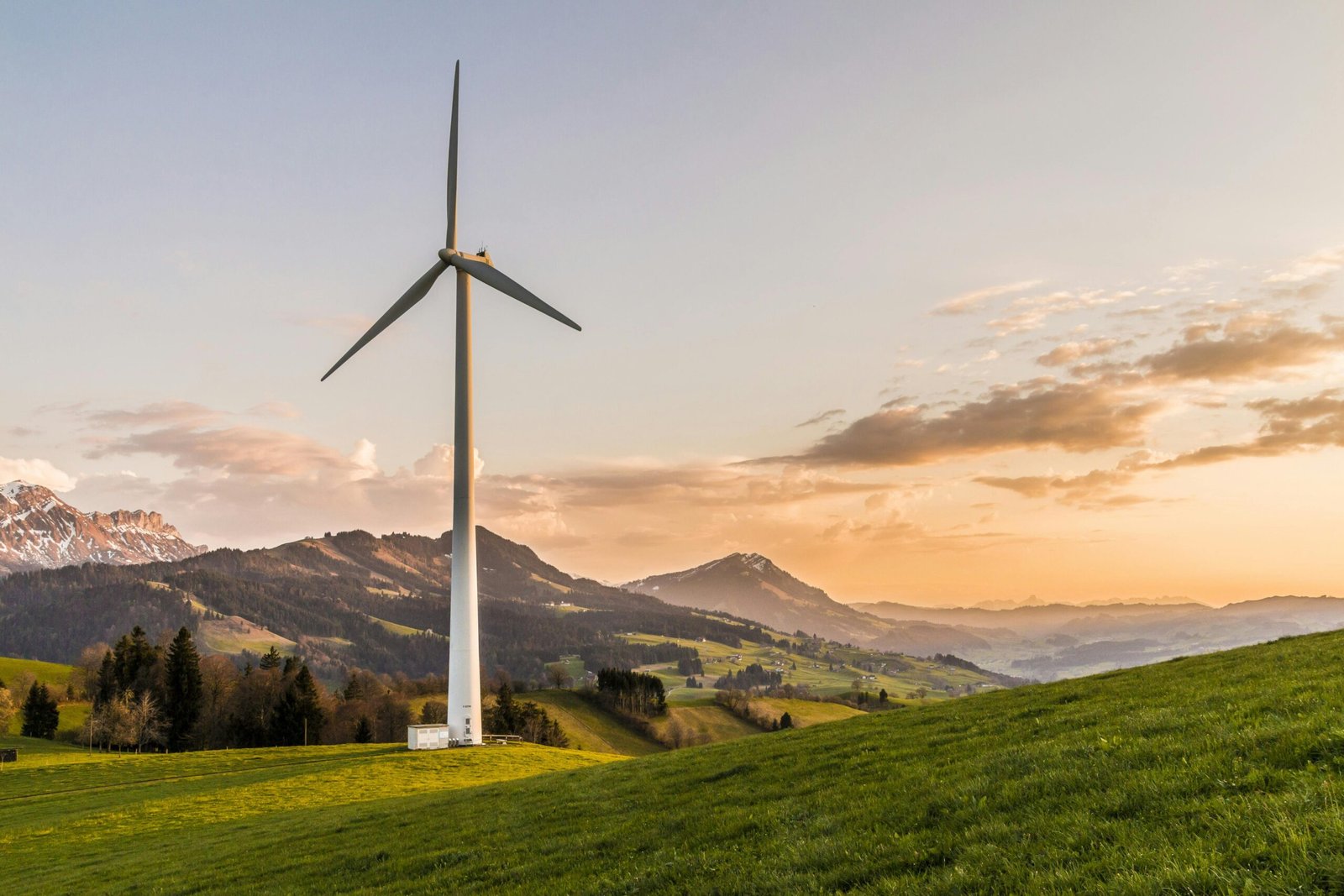
- AI coordinates when to store solar energy, when to use it and when to export it-maximizing self-consumption and lifetime of batteries.
- Predicts solar generation and household demand several hours ahead to plan battery dispatch.
- Enables virtual power plant (VPP) participation: aggregated homes can collectively sell flexibility to the grid.
That coordination improves resilience, reduces reliance on fossil fuel peaker plants, and increases owner savings.
5. Real-time fault detection and efficiency tuning
AI monitors whole-home energy signatures and spots inefficiencies:
- Identifies one appliance that constantly runs lightly (a phantom load) and quantifies its cost.
- Suggests specific grades (insulation, windows, efficient heat pump) and calculates payback using historical usage.
Actionable, appliance-level insight means homeowners can prioritize the right investments.
6. Behavior nudging and personalized recommendations
AI systems can present simple, personalized suggestions:
- “Run dishwasher tonight at 11pm to save $X”
- “Lower thermostat 1°C overnight-stays comfortable and saves Y%”
- Visualize energy use patterns in language a person understands (e.g; cups of coffee equivalents, monthly savings).
Personalization increases adoption and real energy reduction from everyday choices.
Under the hood: how AI makes these possible
Data inputs
Smart meters, smart plugs, thermostats, motion sensors, weather feeds, appliances current signatures, EV telematics, rooftop solar inverters and batteries.
Core AI techniques
- Time-series forecasting (predict demand, solar production).
- Reinforcement learning (learns control policies to optimize costs under constrains).
- Anomaly detection (fault detection).
- Federated learning and privacy-preserving methods (train models across many homes without sharing raw data).
- Edge inference running models locally on a hub or device for latency and privacy).
Architectures and deployments
- Local edge controllers for fast, private decisions (thermostats, home gateways).
- Cloud services for fleet learning, long-horizon forecasts and coordinating across homes.
- Hybrid approaches: local real-time control with cloud-backed improvements.
Concrete benefits (what homeowners and grid gain)
For homeowners
- Lower energy bills: AI reduces wasted runtime and shifts use to cheaper periods.
- Improved comfort: fewer temperature swings; systems precondition intelligently.
- Less maintenance surprise: early warnings reduce breakdowns.
- Monetization opportunities: sell flexibility or exported solar to earn revenue.
For the grid and utilities
- Reduce peak demand and better integration of renewables.
- Distributed flexibility (VPPs) that can replace expensive peaker plants.
- Detailed load forecasts that lower system operating costs.
Environmental
- Less overall energy consumption and higher penetration of clean energy reduce emissions.
Challenges, trade-offs and risks
1. Privacy
Energy data reveals a lot about household behavior. Strong privacy protections-on-devices processing, data minimization and clear consent-are essential.
2. Cybersecurity
Connected devices expand attack surfaces. Robust device authentication, secure update mechanisms and network segmentation are required.
3. Equity and access
AI energy solutions may disproportionately benefit those who can afford smart devices or home retrofits.
Policy and subsidy design must avoid widening energy inequality.
4. Rebound effects
Efficiency can lower cost of use and lead to increased consumption (e.g; keeping the home a little warmer). AI systems should be designed to account for rebound and align incentives.
5. Reliability & vendor lock-in
Home energy control data and automation should be interoperable and follow open standards to avoid switching penalties or stranded assets.
Realistic deployment scenarios (short v. long term)
Short term (1-3 years)
- Smart thermostats with the better forecasting and appliance scheduling.
- Firmware updates add predictive maintenance to existing devices.
- Utilities offer demand-response programs coordinated via cloud platforms.
Medium term (3-7 years)
- Wide adoption of home batteries and AI coordinating storage for self-consumption.
- Homes participate in VPPs, selling aggregated flexibility.
- Edge AI with federated learning personalizes models without moving raw data offsite.
Long term (7+ years)
- Deep integration between buildings and grid: energy flows are optimized at neighborhood scale.
- AI helps design and simulate retrofit interventions, enabling policy makers to target upgrades where they yield the biggest social return.
- Autonomous homes that balance cost, carbon and comfort continuously.
Practical guide for homeowners: how to prepare and benefit now
1. Start small: Buy a reputable small thermostat and smart plugs for high-use appliances. Use them to get immediate savings.
2. Measure before you upgrade: Install a whole-home energy monitor or use smart meter data to see where energy goes.
3. Look for open standards: Prioritize devices that support widely used protocols (e.g; Matter, zigbee or open APIs) to avoid in lock-in.
4. Use utility programs: Many utilities offer rebates or time-of-use pricing-pair these with AI scheduling for extra savings.
5. Secure your home network: Put IoT devices on a separate guest network, keep firmware updated and use strong passwords.
6. Consider prosumer tech: If you have solar, think about a smart inverter and battery that integrates with cloud or local AI for better value.
7. Ask about privacy: When a service collects data, read the privacy policy-prefer local processing and opt out of unnecessary sharing.
What policymakers and utilities should do
- Encourage interoperability and open standards to prevent vendor lock-in and speed adoption.
- Support data privacy rules that let consumers control their energy data.
- Offer incentives for smart upgrades (thermostats, insulation, efficient heat pumps) to lower upfront barriers.
- Enable VPP participation rules and fair compensation for distributed flexibility.
- Fund pilot programs that test AI control algorithms on diverse housing types, ensuring benefits across income levels.
Common myths-busted
- “AI will turn off my heat/comfort.” AI optimizes for comfort targets you set. The goal is to deliver comfort using less energy, not to make homes uncomfortable.
- “AI needs tons of data sent to the cloud.” Modern edge models and federated learning can keep sensitive data local while still improving performance.
- “It’s only for new smart homes.” Many AI saving come from firmware upgrades and smart plugs-existing homes can benefit immediately.
A short case vignette (hypothetical, but realistic)
Imagine a family with rooftop solar, a battery, a heat pump and a smart thermostat. On a sunny weekend, the AI forecasts a cloudy evening and a cold night. It preheates thermal mass during afternoon solar surplus, stores extra solar in the battery, schedules the electric clothes dryer to finish during the solar window and delays EV charging until midnight when rates drop. the next morning, the battery kicks in to shave a small morning peak. Over a month, the family’s grid energy purchases drop by a large percentage and their peak demand drops, earning them lower bills and a small income stream from their utility’s VPP program.
The bottom line
AI is not a magic bullet, but it is the key technology that ties together sensors, distributed generation, batteries and user behavior into an intelligent whole. Properly designed and deployed, AI can deliver meaningful energy savings, lower emissions and better comfort for homeowners-while helping grids integrate more renewable energy. To realize that promise we must pair technical innovation with thoughtful privacy protections, security, equity-focused policy and open standards that let everyone benefit.