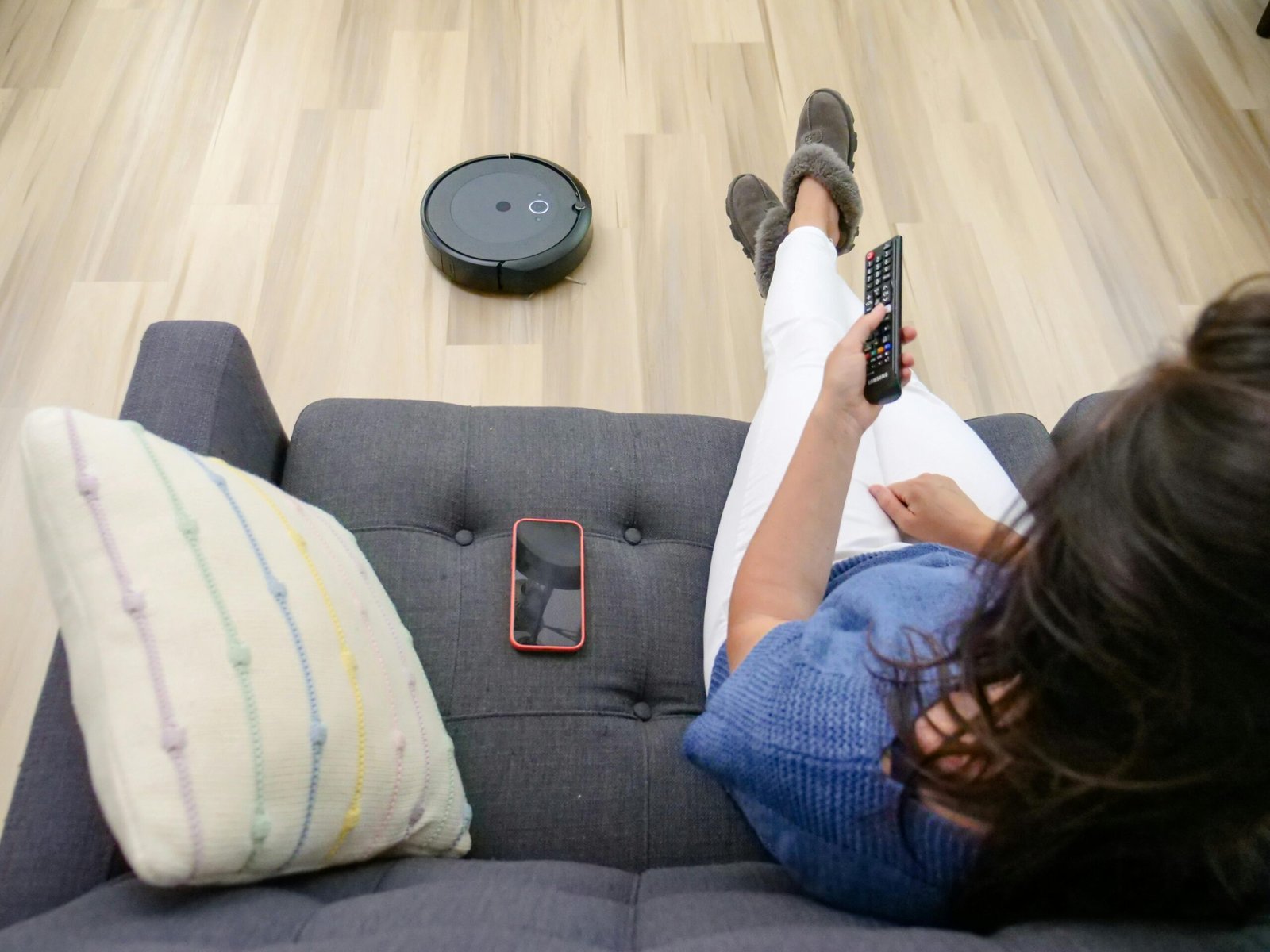
Artificial intelligence (AI) is no longer a distant or futuristic concept—it has become a practical, everyday tool that quietly works behind the scenes to make our lives easier. From managing our schedules and recommending what to watch to helping doctors diagnose diseases and enabling smarter transportation, AI is simplifying daily tasks in ways that save time, reduce effort, and improve accuracy. As AI continues to evolve, its impact on everyday life is becoming more noticeable, accessible, and beneficial.
Understanding AI in Daily Life
At its core, AI refers to computer systems designed to perform tasks that normally require human intelligence. These tasks include learning from data, recognizing patterns, understanding language, and making decisions. In everyday applications, AI often appears in subtle forms—smart suggestions, automated reminders, voice assistants, and predictive features that anticipate our needs before we even ask.
Rather than replacing human effort, modern AI is focused on assisting humans. It takes care of repetitive, time-consuming, or data-heavy tasks so people can focus on creativity, problem-solving, and meaningful interactions.
Smart Assistants and Voice Technology
One of the most visible examples of AI in daily life is the rise of smart assistants. Voice-enabled tools can set reminders, send messages, answer questions, play music, and control smart home devices—all through simple voice commands.
This hands-free interaction simplifies multitasking. Whether someone is cooking, driving, or working, AI-powered assistants reduce the need to manually search for information or manage small tasks, making daily routines smoother and more efficient.

Simplifying Communication and Writing
AI has significantly changed the way people communicate and write. Email platforms now use AI to filter spam, prioritize important messages, and suggest quick replies. Writing tools assist with grammar correction, sentence restructuring, tone improvement, and even content creation.
For students, professionals, and businesses, these tools reduce the time spent editing and proofreading. They also help non-native speakers communicate more confidently, breaking down language barriers and improving global collaboration.
Smarter Personal Organization
Managing schedules, deadlines, and responsibilities can be overwhelming, but AI-driven organization tools help keep everything on track. Calendar apps can automatically schedule meetings, suggest optimal times, and send reminders based on past behavior.
Task management applications analyze productivity patterns and recommend better ways to organize work. Over time, AI learns individual preferences and adapts, offering a more personalized and stress-free planning experience.
AI in Shopping and Personal Recommendations
Online shopping has become faster and more personalized thanks to AI. Recommendation systems analyze browsing behavior, purchase history, and preferences to suggest products that are relevant to each user.
This saves time by reducing endless searching and helps users discover items they are more likely to need or enjoy. Beyond shopping, similar AI systems are used by streaming platforms to recommend movies, music, and content tailored to personal tastes.
Improving Home Life with Smart Technology
AI-powered smart home devices are transforming how people manage their living spaces. Smart thermostats learn temperature preferences and adjust settings automatically to improve comfort and reduce energy costs. Lighting systems adapt to daily routines, and security systems use facial recognition and motion detection to enhance safety.
These technologies not only make homes more comfortable but also help conserve resources and improve overall efficiency.

Making Transportation Easier and Safer
AI plays a growing role in transportation by optimizing routes, predicting traffic conditions, and enhancing safety. Navigation apps use AI to analyze real-time traffic data and recommend the fastest routes. Ride-sharing platforms rely on AI to match drivers with passengers efficiently.
In vehicles, AI-powered systems assist with parking, collision warnings, and lane-keeping, reducing driver stress and improving road safety. As this technology advances, it continues to simplify daily travel experiences.
Enhancing Health and Wellness
AI is increasingly supporting health and wellness in everyday life. Fitness apps use AI to analyze activity levels and provide personalized workout or nutrition recommendations. Wearable devices track heart rate, sleep patterns, and physical activity, offering insights that help users make healthier choices.
In healthcare, AI helps with appointment scheduling, symptom checking, and early detection of potential health issues, making medical support more accessible and efficient.
Reducing Repetitive Work in the Workplace
In professional environments, AI automates repetitive tasks such as data entry, report generation, and customer support. Chatbots handle common inquiries instantly, allowing human workers to focus on more complex and meaningful work.
This simplification improves productivity, reduces errors, and creates a more balanced workload. Instead of replacing jobs, AI often reshapes roles, enabling employees to work smarter rather than harder.
The Future of AI in Everyday Tasks
As AI technology continues to advance, its role in daily life will become even more integrated and seamless. Future AI systems will better understand context, emotions, and human preferences, making interactions more natural and intuitive.
The goal is not to make life more complicated with technology but to make everyday tasks simpler, faster, and more personalized. When used responsibly and ethically, AI has the potential to enhance quality of life on a global scale.
AI in Education and Learning
AI is making learning more accessible, personalized, and efficient for students of all ages. Educational platforms use AI to analyze how learners interact with content and adjust lessons based on their strengths and weaknesses. This personalized approach helps students learn at their own pace instead of following a one-size-fits-all system.
AI-powered tools also assist with language learning, exam preparation, and skill development by providing instant feedback, practice recommendations, and progress tracking. For teachers, AI helps automate grading, generate learning materials, and identify students who may need extra support—simplifying the educational process for both learners and educators.

AI in Customer Service and Daily Support
Customer service has been greatly simplified through AI-driven systems. Chatbots and virtual agents are now capable of handling common questions, processing requests, and resolving basic issues instantly—24 hours a day. This reduces wait times and improves the overall customer experience.
In everyday services such as banking, telecommunications, and online platforms, AI helps users check account details, reset passwords, track orders, and get assistance without needing human intervention. By handling routine support tasks efficiently, AI allows human agents to focus on more complex problems, resulting in faster and more reliable service for users.
Conclusion
AI is quietly transforming the way people live, work, and interact with the world. By simplifying everyday tasks—from communication and organization to shopping, transportation, and health—AI frees up time and mental energy for what truly matters. As adoption grows and technology improves, AI will continue to serve as a powerful assistant, making daily life more efficient, convenient, and connected than ever before.