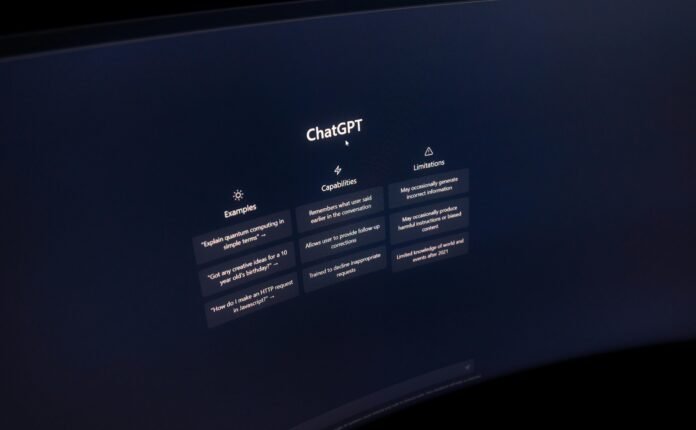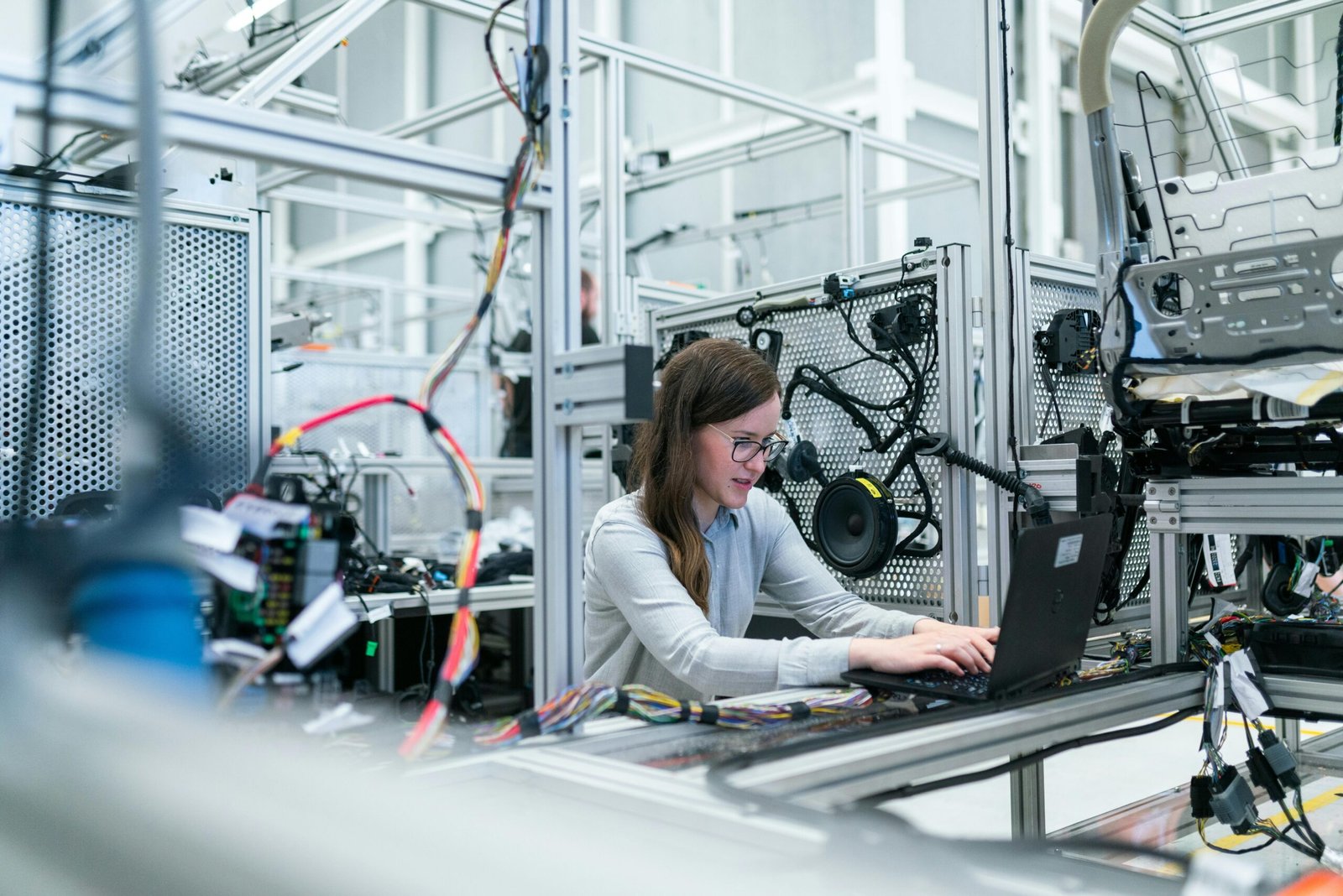
For many years, public debate around artificial intelligence has centered on job displacement. Headlines often warn that robots will “take all the jobs,” creating fear and uncertainty about the future of work. But while AI will indeed automate certain repetitive tasks, the bigger truth is this: AI is also creating entirely new careers—jobs that never existed before.
Just as the internet created web developers, social media strategists, and digital marketers, the rise of AI is unlocking new categories of work that will shape the global economy for decades to come.
This article explores the future jobs AI is creating, why these careers matter, and how people—especially youth—can prepare for them.
1. AI Trainers & Annotation Specialists
AI systems need continuous training to improve accuracy. This creates a growing demand for:
- Data annotators
- AI trainers for language, images and audio
- Cultural experts who fine-tune AI for specific regions or languages
These jobs are essential because AI cannot learn without high-quality, human-labeled data. Even major companies rely on human input to teach models to recognize objects, translate languages, or understand accents.
2. Prompt Engineers
One of the fastest-growing AI careers is prompt engineering—crafting effective instructions that guide AI tools to produce accurate outputs.
Prompt engineers:
- Understand how AI models interpret information
- Create workflows for businesses
- Improve the quality of AI-generated text, code or images
- Build reusable prompt libraries.
This role is becoming valuable in marketing agencies, tech films, research institutions, and startups.
3. AI Ethics & Policy Specialists
As AI spreads into healthcare, finance, education, and law enforcement, societies need professionals who ensure technology is used responsibly.
Roles include:
- AI Ethicists
- Responsible AI Officers
- AI policy Analysts
- Bias & Fairness Auditors
These jobs focus on preventing discrimination, protecting privacy, and building trustworthy AI systems.
4. AI-Assisted Healthcare Workers
AI is not replacing doctors or nurses—it is helping them, creating new job categories such as
- AI medical imaging analysts
- Clinical data interpreters
- AI-driven telemedicine assistants
- Remote health monitoring specialists
With telehealth and wearable health devices expanding, professionals who understand both medicine and technology will be in high demand.
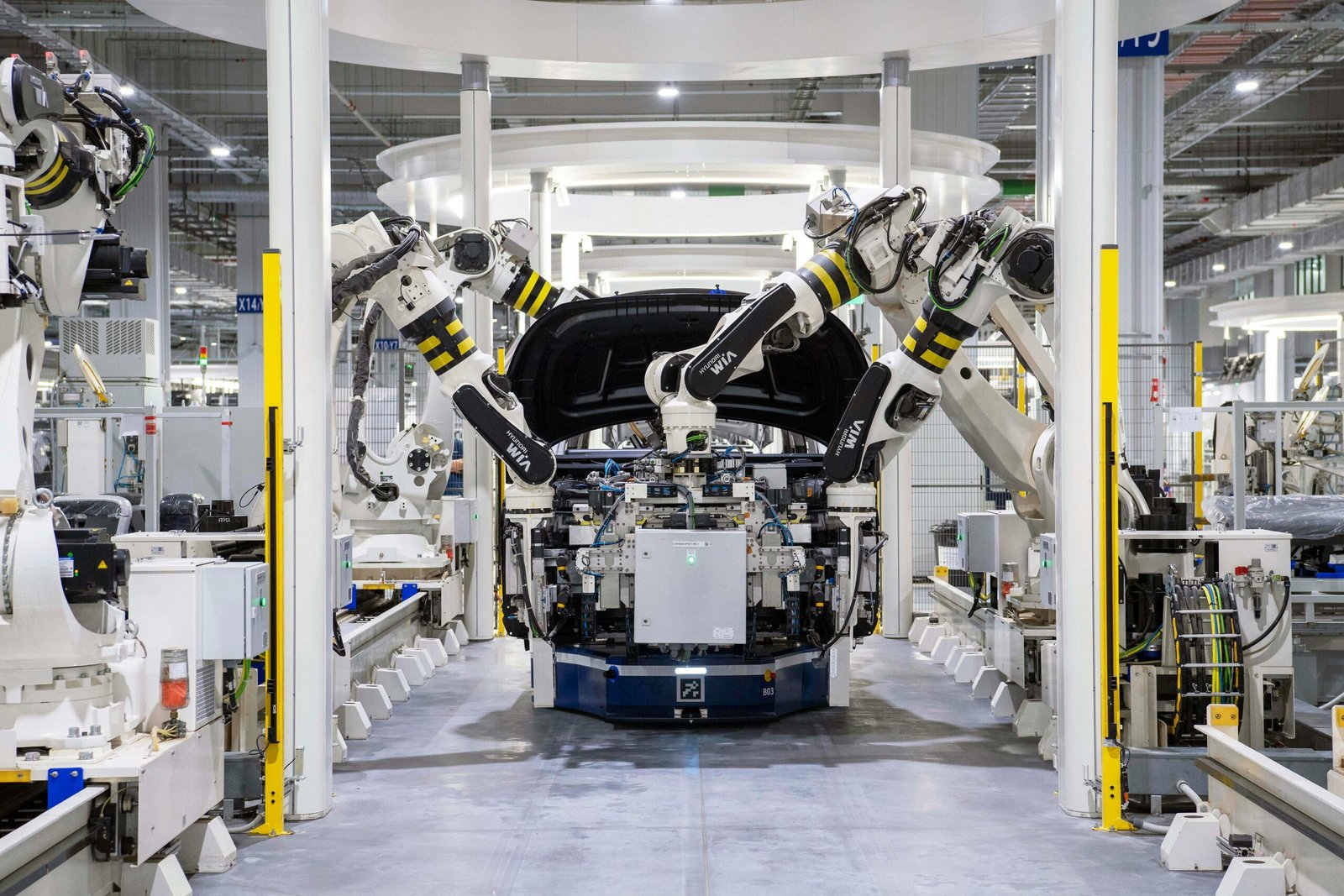
5. AI Maintenance & Robot Service Technicians
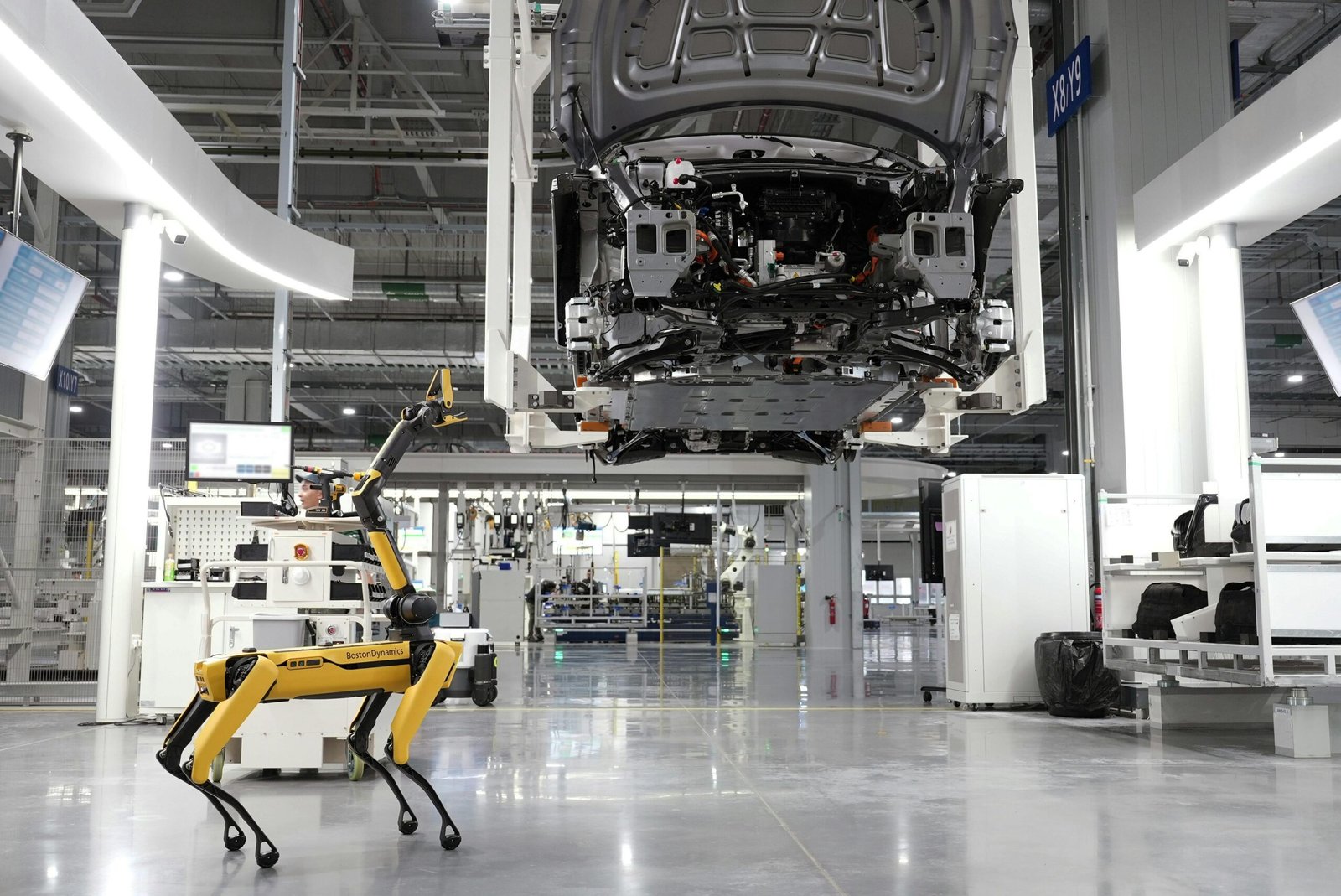
As factories, farms, and homes adopt AI-powered machines, there is a rising need for the following:
- Robot installers
- AI hardware repair experts
- Automation technicians
- Drone operators and maintenance specialists
Just as every car needs mechanics, every robot needs service technicians.
6. AI Cybersecurity Defenders
Cyber attacks are evolving, and AI is being used both to defend and attack systems. This creates roles such as
- AI threats analysts
- AI security auditors
- AI-powered penetration testers
- Cyber defense model trainers
Government banks, hospitals, and tech companies all require these skills.
7. Digital Content Supervisors & AI Editors
AI generates content quickly, but it still needs human reviewers to ensure accuracy and quality.
Emerging jobs include:
- AI content editors
- Fact-checkers’ supervisors
- AI-assisted video and image editors
- Automated media quality controllers
These roles support industries like journalism, filmmaking, advertising, and education.
8. Human-AI Collaboration Managers
As businesses integrate AI tools into daily operations, a new role is growing:
- AI workflows managers
- Human-AI integration specialists
- AI Productivity Consultants
These professionals help companies use AI efficiently, train employees, and design systems where humans and machines work together.
9. AI-Driven Education & Tutoring Jobs
AI is changing how people learn, but it is also creating jobs such as
- AI learning platform designers
- Virtual tutors supervisors
- AI curriculum architects
- Education data analysts
Teachers who understand AI will have more opportunities—not fewer.

10. Creative AI Careers
AI is opening new paths in the creative world:
- AI art directors
- AI video producers
- Synthetic media designers
- Virtual world and metaverse developers
- AI music composers & sound designers
Creativity combined with AI knowledge is becoming a powerful skill.
11. Industry-Specific AI Specialists
Nearly every sector is adopting AI, leading to specialized careers such as
- AI in agriculture: crop monitoring analysts, drone mapping experts
- AI in finance: algorithms risk advisors, AI fraud detection managers
- AI in transportations: autonomous vehicle safety operators
- AI in retail: smart inventory analysts, personalization specialists
- AI in manufacturing: Predictive maintenance coordinators
Each industry is creating its own ecosystems of AI-related jobs.
12. AI Startup Entrepreneurs
AI is lowering the cost of starting a business. Entrepreneurs now build:
- Automated customers service platforms
- AI marketing agencies
- Smart agriculture tools
- AI-powered education apps
- AI-driven logistics systems
This opens countless new business opportunities, especially for youth in developing regions.
13. Digital Twin Designers & Simulation Specialists
A digital twin is a virtual copy of a real object—like a building, machine, farm, or even an entire city. AI-powered simulations are becoming essential for planning, engineering, and decision-making.
This creates new roles such as
- Digital twin modelers
- Smart city simulation planners
- AI-powered environmental impact forecasters
These professionals help governments and companies test ideas in a virtual world before applying them in real life. Cities, factories, hospitals, and transportation systems will all rely on these experts.
14. AI Supply Chain Optimizers
Global supply chains—from shipping ports to warehouses—are embracing AI to predict demand, prevent delays, and reduce costs.
New jobs emerging include the following:
- AI logistics coordinators
- Predictive demand analysts
- Smart warehouses automation planners
These specialists use AI tools to track shipments, plan delivery routes, automate inventory systems, and minimize waste.
As e-commerce grows, this field will expand rapidly.
15. AI-Enhanced Customer Experience Designers
AI is reshaping how companies interact with customers. Instead of traditional customer service, businesses now rely on:
- Chatbots
- Voice assistants
- Personalized recommendation engines
- Automated support platforms
This creates roles like
- AI customers experience strategies
- Chatbots’ conversation designers
- Voice assistant UX writers
- AI personalization managers
Their job is to make AI interactions feel natural, helpful, and human-friendly.
It combines creativity, psychology, and technology—making it one of the fastest-growing fields.
Why AI Creates New Jobs Instead of Just Destroying Them
1. Technology shifts always create more work
History proves this:
- Cars created mechanics and traffic police.
- Computers created IT departments.
- Smartphones created app developers and social media influencers.
AI is following the same pattern.
2. AI increases productivity, which boosts economic growth.
More productivity—more business growth—more jobs.
3. AI cannot replace human creativity, emotions, or judgment.
Jobs involving strategy, empathy, storytelling, or leadership will grow, not vanish.
4. AI needs continuous human oversight
All AI systems require:
- Monitoring
- Training
- Auditing
- Updating
- Guiding
Humans remain central.
Human to Prepare for AI-Created Jobs
To benefit from the opportunities of the AI era, individuals should focus on:
- Learning digital and AI skills
Basic AI literacy is becoming essential.
- Combining human skills with technology
Creativity + AI = powerful
Communication + AI = unstoppable
- Staying adaptable
Future jobs will evolve quickly.
- Building a strong portfolio
Show real projects, not just certificates.
Conclusion: The Future Belongs to Those Who Work With AI, Not Against It
AI is not a job-destroying monster—it is a job-creating engine. The coming years will introduce careers we cannot even imagine today, just as the internet did two decades ago. The key is embracing AI, learning its tools, and positioning ourselves to benefit from the opportunities it creates.
The people who succeed in the future will not be those who fear AI but those who collaborate with it.