Transportation is one of the biggest contributors to global carbon emissions, air pollution, and energy consumption. As cities grow and fuel prices rise, the need for cleaner, smarter ways to move has never been more urgent. Fortunately, eco-friendly transportation technology is no longer a distant future concept—it’s something many people can use every day. From electric vehicles to smart mobility apps, green transport solutions are transforming how we commute, travel, and live.
This article explores the most practical eco-friendly transportation technologies you can adopt daily to save money, reduce emissions, and support a more sustainable planet.
1. Electric Vehicles (EVs): The Heart of Green Transport
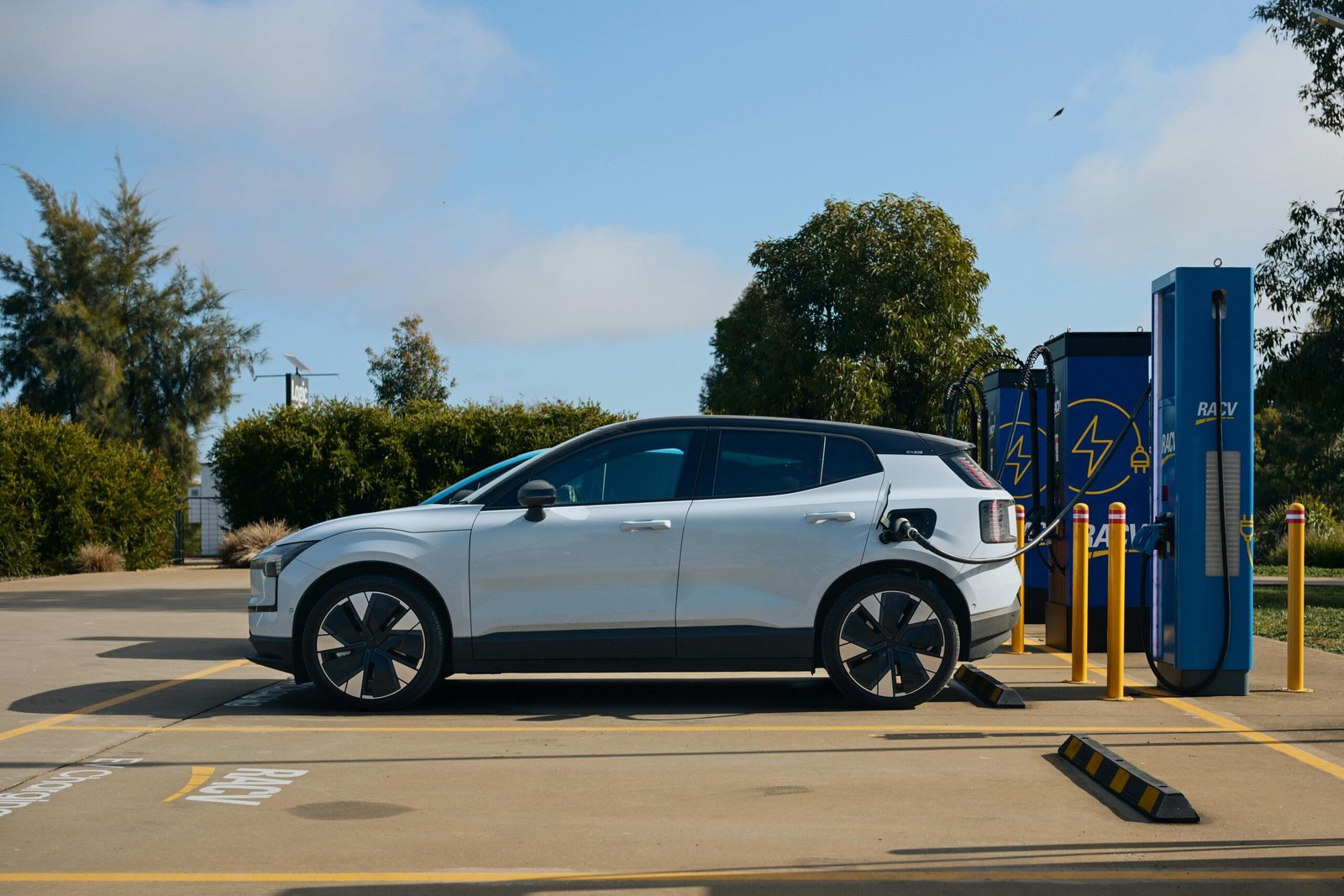
Electric vehicles are one of the most impactful eco-friendly transportation technologies available today. Unlike traditional gasoline cars, EVs run on electricity and produce zero tailpipe emissions. This significantly reduces air pollution, especially in crowded urban areas.
Modern EVs are designed for daily use, offering improved battery ranges, fast charging options, and smart features like regenerative braking, which recovers energy while slowing down. Many EV owners charge their cars at home overnight, making daily commuting convenient and cost-effective. As charging infrastructure continues to expand, EVs are becoming a realistic option for more drivers worldwide.

2. Hybrid Vehicles: A Practical Transition Option
Hybrid vehicles combine a traditional internal combustion engine with an electric motor. They automatically switch between fuel and electric power to maximize efficiency and minimize emissions. This makes hybrids ideal for people who want better fuel economy without fully switching to electric charging.
For daily driving, hybrids are especially effective in city traffic, where frequent stopping allows the electric motors to operate more often. This results in lower fuel consumption and reduced carbon output. Hybrids are a great stepping stone toward fully electric transportation.
3. Electric Bicycles (E-Bikes): Clean, Fast, and Affordable
Electric bicycles are transforming short-distance travel and daily commuting. E-bikes use a rechargeable battery to assist pedaling, allowing riders to travel longer distances with less effort. They are perfect for city commutes, errands, and even light delivery work.
E-bikes produce no emissions, require minimal maintenance, and cost far less than cars. They also help reduce traffic congestion and promote healthier lifestyles. For daily use, e-bikes are one of the most accessible and eco-friendly transportation technologies available.
4. Electric Scooters and Micro-Mobility Devices
Electric scooters, hoverboards, and other micromobility devices are becoming popular in urban environments. These lightweight electric vehicles are ideal for short trips, such as traveling to work, school, or nearby shops.
Many cities now support shared electric scooter services through mobile apps, making them easy to access without ownership. For daily transportation, electric scooters reduce reliance on cars, lower emissions, and save time in congested areas.
5. Public Transportation Powered by clean Energy
Public transportation is already more eco-friendly than private vehicles, but new technology is making it even greener. Electric buses, hydrogen-powered trains, and smart rail systems are being adopted in many regions.
Using public transport daily reduces individual carbon footprints and energy use. Smart ticketing apps, real-time tracking, and AI-powered route optimization make public transportation more efficient and user-friendly than ever before.
6. Car-Sharing and Ride-Sharing Apps
Car-sharing and ride-sharing platforms reduce the number of vehicles on the road by allowing multiple people to share transportation. Many of these services now use electric or hybrid vehicles as part of their fleets.
For daily commuting, ride-sharing apps help reduce fuel consumption, parking demand, and emissions. When combined with eco-friendly vehicles, shared mobility becomes a powerful tool for sustainable transportation.
7. Smart Navigation and Fuel-Saving Apps
Eco-friendly transportation isn’t only about vehicles—it’s also about how you drive. Smart navigation apps use AI and real-time traffic data to suggest the most fuel-efficient routes. These tools help avoid congestion, reduce idle time, and lower emissions.
Some apps also track driving behavior and provide tips for improving efficiency, such as smoother acceleration and optimal speed control. Using these tools daily can significantly reduce your environmental impact without changing your vehicle.
8. Solar-Powered Transportation Accessories
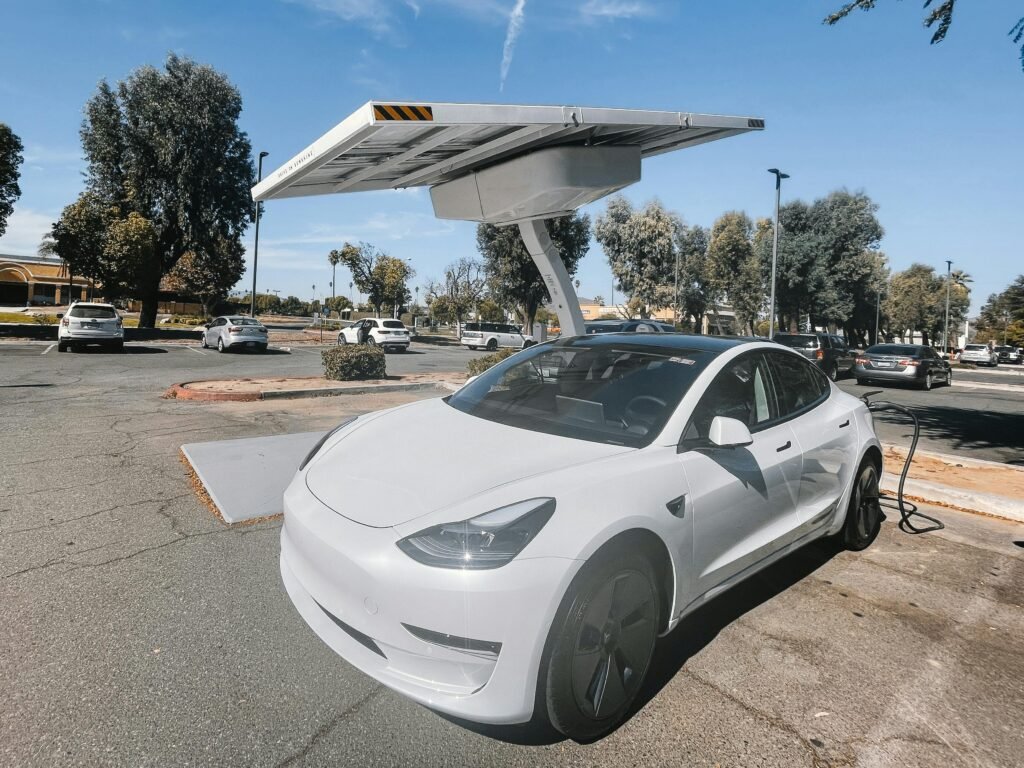
Solar technology is increasingly being integrated into transportation. Solar-powered phone chargers, dashboard accessories, and even vehicle roof panels help reduce reliance on fossil fuels.
For daily commuters, solar accessories provide clean energy for small devices and improve overall energy efficiency. While still evolving, solar transportation tech represents an exciting step toward fully renewable mobility.
9. Walking with Smart Wearable s
Walking remains one of the most eco-friendly transportation methods, and technology is enhancing it. Smartwatches and fitness trackers encourage walking by tracking steps, distance, and calories burned.
By choosing to walk for short daily trips and using smart wearables for motivation, individuals can reduce emissions while improving their health. This simple habit, supported by technology, plays an important role in sustainable living.
10. The Future of Daily Eco-friendly Transportation
As technology continues to evolve, eco-friendly transportation will become even more accessible. Innovations like autonomous electric vehicles, smart traffic systems, and renewable energy integration will further reduce environmental impact.
Governments, companies, and individuals all play a role in this transition. By adopting green transportation technologies in daily life, we contribute to cleaner air, quieter cities, and a healthier planet.
11. Hydrogen-Powered Transportation: Clean Energy in Motion
Hydrogen-powered vehicles use fuel cells to generate electricity, producing only water vapor as a byproduct. This makes hydrogen one of the cleanest transportation technologies available. While still emerging, hydrogen buses, cars, and even bikes are beginning to appear in some cities.
For daily transportation in the future, hydrogen technology offers fast refueling times and long driving ranges compared to battery-powered vehicles. As infrastructure expands and production becomes greener, hydrogen transport could play a major role in reducing carbon emissions and supporting sustainable mobility worldwide.
Conclusion
Eco-friendly transportation technology is no longer a luxury—it’s a practical solution for daily life. Whether you choose an electric vehicle, an e-bike, public transport, or smart mobility apps, every small change makes a difference. These technologies not only protect the environment but also save money, improve health, and create more livable cities.
By embracing eco-friendly transportation today, we take meaningful steps toward a sustainable future—one daily commute at a time.