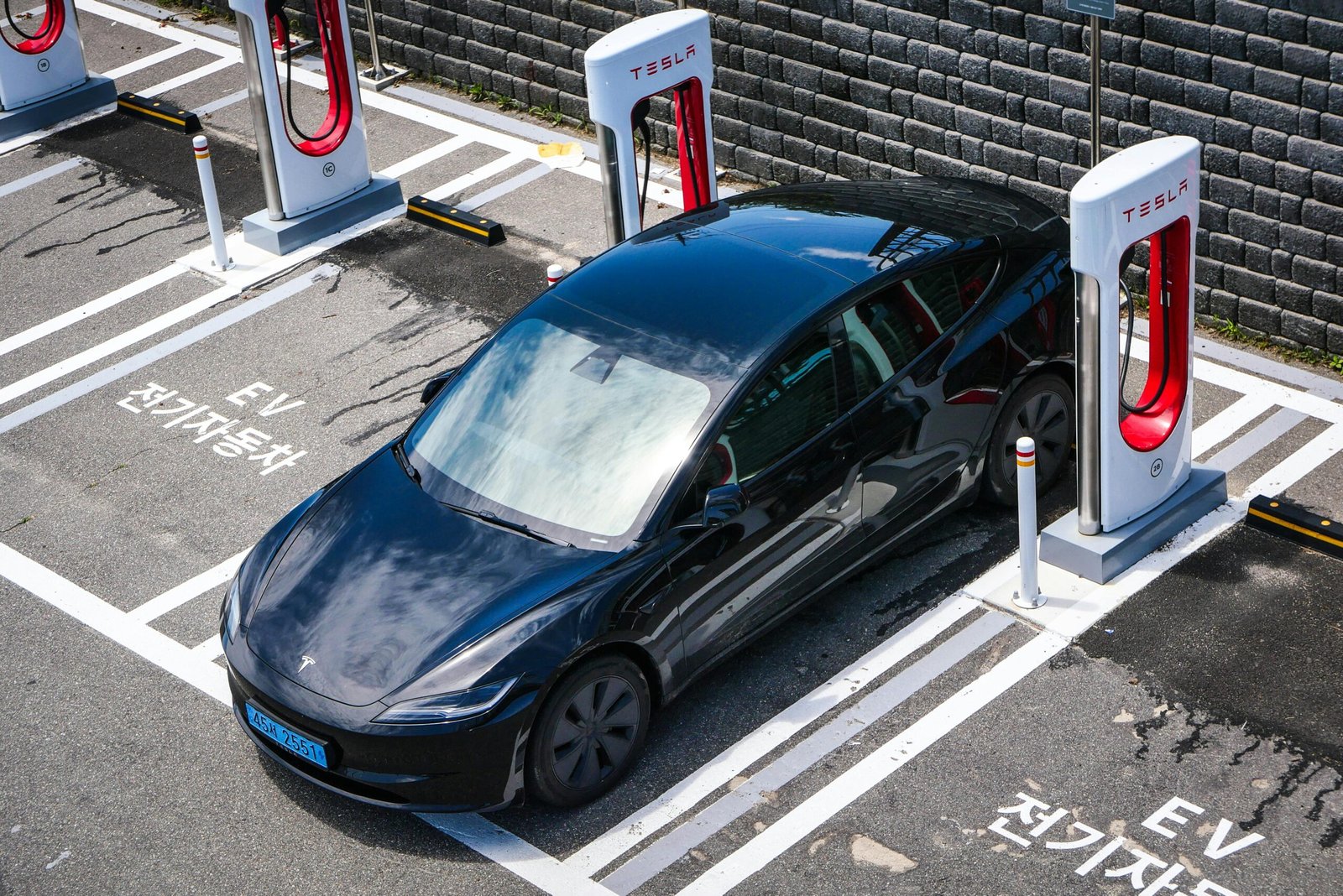
As climate change accelerates and energy costs rise, more households around the world are turning toward eco-friendly technologies. Modern tech has evolved beyond convenience and speed—today, it helps us conserve energy, reduce waste, and live more sustainably without giving up comfort. Eco-friendly tech at home blends smart devices, renewable energy systems, efficient appliances, and sustainable routines to create a healthier environment and reduce our ecological footprint.
This article explores the best green technologies you can adopt at home, how they work, and why they matter.
What Is Eco-Friendly Home Technology?
Eco-friendly home technology refers to devices and systems designed to reduce energy consumption, minimize waste, and lower environmental impact while maintaining comfort and convenience. These technologies often rely on smart automation, renewable energy, and efficient resource management. Unlike traditional home systems, eco-friendly tech focuses on sustainability by optimizing home electricity, water, and heating, which are used throughout the home.
By integrating smart controls and data-driven insights, eco-friendly tech empowers homeowners to make informed decisions about their daily consumption. This shift not only reduces carbon emissions but also promotes long-term cost savings and a healthier living environment.
Smart Energy Management Systems
Smart energy devices help you monitor and reduce electricity use with minimal effort.
Smart Thermostats
Smart thermostats like Nest, Ecobee, and Honeywell learn your daily routine and adjust heating or cooling automatically.
Benefits:
- Reduce energy waste when you’re away.
- Optimize temperature settings for comfort and efficiency.
- Lower utility bills.
Smart Meters & Energy Monitors
These tools show real-time electricity consumption.
Why it matters:
By understanding which devices consume the most energy, you can make informed decisions about turning them off, upgrading them, or using them more efficiently.

Solar Powers Systems for Homes
Solar panels are becoming more affordable, making renewable energy accessible to regular homeowners.
Solar Panels
Rooftop solar systems can power a large percentage of household needs.
Advantages:
- Reduce dependency on fossil fuels.
- Cut monthly electricity bills significantly.
- Increase property value.
Solar Water Heaters
These systems use the sun to heat water for showers, cleaning, and cooking.
Eco-benefits:
They eliminate the need for electricity or gas to heat water, which traditionally consumes a large amount of household energy.
Solar Generators & Portable Chargers
Smaller solar devices can charge phones and laptops and power small appliances. They are especially useful in areas with unstable electricity.
Energy-Efficient Appliances and Devices
Upgrading to high-efficiency appliances can reduce your home’s energy consumption by 20-40%.
LED Lighting
LED bulbs use 75% less energy than traditional bulbs and last 25 times longer.
Energy-Efficient Refrigerators, AC Units and Washing Machines
Look for Energy Star-rated devices.
Benefits include:
- Lower electricity and water use.
- Longer lifespan.
- Better overall performance.
Induction Cooktops
Induction stoves heat food faster and waste less energy compared to gas or traditional electric stoves.
Smart Water-Saving Technology
Water scarcity is a major issue in many regions, and home technology plays a big role in reducing waste.
Smart Irrigation systems
These systems adjust watering based on weather, soil moisture, and plant needs.
Low-Flow Fixtures
Modern eco-friendly faucets, toilets, and showerheads reduce water flow without affecting performance.
Leak Detectors
Sensors that identify water leaks early help prevent waste and costly damage.
Smart Lighting for Efficiency and Comfort
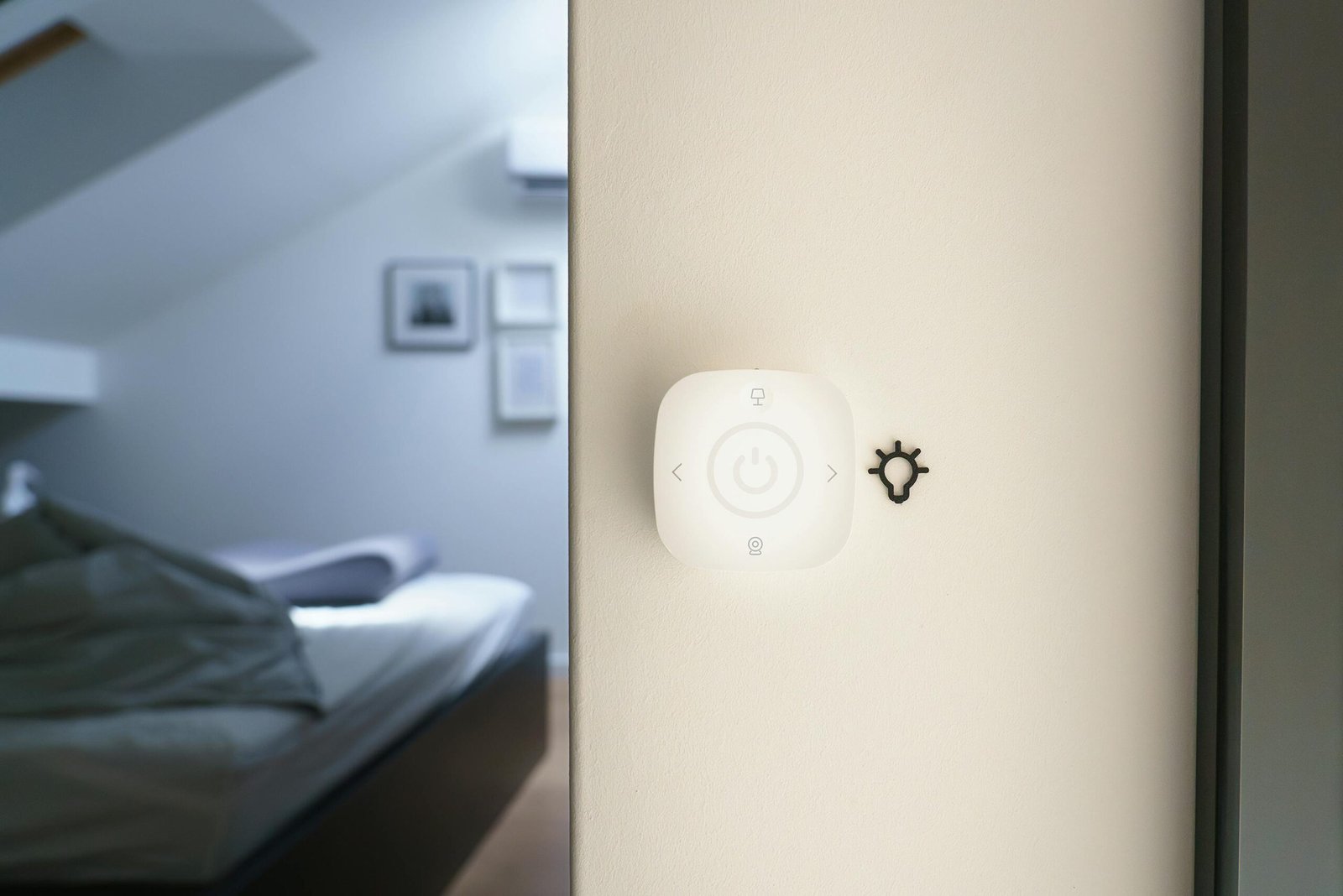
Lighting accounts for a significant portion of household energy use. Smart LED lighting systems offer an eco-friendly alternative by consuming far less electricity than traditional bulbs. These lights can be automated to turn off when rooms are empty or dim based on natural light availability.
With smart lighting controls, homeowners can create schedules, use motion sensors, and adjust brightness remotely. This not only enhances comfort and convenience but also contributes to substantial energy savings over time.
Home Automation for Sustainability
Home automation isn’t just about convenience—it also boosts energy efficiency.
Smart Plugs
They automatically turn off devices when not in use.
Motion-Activated Lighting
Lights switch on only when someone is in the room, cutting unnecessary usage.
Smart Blinds
Automated shades can:
- Block heat during hot hours.
- Let sunlight warm your home during cold seasons.
This reduces the load on air conditioning and heating systems.
Eco-Friendly Home Insulation Tech
Improper insulation leads to massive energy loss. Modern insulation tech helps maintain comfortable temperatures more efficiently.
Spray Foam & Recycled Insulation
Made from eco-friendly materials like cellulose, denim fibers, and recycled plastic.
Smart Windows
Double-glazed or low-emissivity windows reduce heat transfer and improve energy efficiency.
Financial and Environmental Benefits
Investing in eco-friendly home technology offers both immediate and long-term benefits. Lower energy and water bills provide ongoing savings, while government incentives and tax credits can reduce installation costs. Over time, green homes often have higher property value due to their efficiency and sustainability.
Environmentally, eco-friendly tech helps reduce carbon emissions, conserve natural resources, and support a cleaner future. Every smart choice made at home contributes to global sustainability efforts.
Reducing E-waste with Sustainable Electronics
Technology evolves fast, leading to massive electronic waste. Eco-friendly tech encourages longer product lifespans and reduced waste.
Modular Devices
Phones, laptops, and appliances designed for easy repair and upgrade—reducing replacements.
Recyclable Materials
Manufacturers now use biodegradable, recyclable, or low-impact materials.
E-waste collection Programs
Participating in recycling programs helps ensure toxic materials don’t end up in landfills.
Smart Home Batteries & Energy Storage
Energy storage systems like Tesla Powerwall allow homeowners to store excess solar power.
Why They’re Eco-Friendly
- Reduce reliance on grid power.
- Provide backup energy during outages.
- Store clean energy for nighttime use.
Air Quality & Eco-Friendly Indoor Technologies
Healthy indoor environments are part of a sustainable lifestyle.
Smart Air Purifiers
They filter pollutants, allergens, and toxins using energy-efficient mechanisms.
Natural Ventilation Sensors
Sensors monitor CO₂ levels and automatically open windows or activate fans.
Low-Energy Dehumidifiers
These reduce humidity and prevent mold without heavy power use.
Sustainable Home Design & Green Building Tech
Eco-Friendly homes are often designed with sustainability built in.
Green Roofs
Vegetation on rooftops insulates the home and improves air quality.
Rainwater Harvesting Tech
Collect and store rainwater for household or garden use.
Bamboo or Recycled Materials
Eco-friendly building materials reduce environmental impact significantly.
Conclusion
Eco-friendly tech at home is no longer a futuristic concept—it’s a practical, affordable lifestyle choice.
Through renewable energy, smart devices, efficient appliances, and sustainable home designs, you can significantly reduce your carbon footprint while saving money and improving comfort. Even small changes like switching to LED bulbs or installing smart plugs can make a big difference over time.
Adopting green technology at home is a step toward a cleaner planet and a smarter, healthier lifestyle for your family.