
Artificial intelligence (AI) has reshaped the digital content landscape, enabling bloggers to plan, create, optimize, and promote content faster and more intelligently than ever before. In 2025, AI is no longer a supplemental productivity tool—it’s a central part of the blogging workflow, powering idea generation, written drafts, visual content, SEO optimization, audience engagement, and even content analytics.
This article explores the most important AI tools for bloggers in 2025, the practical ways they are being used in daily workflows, strategies for balancing automation and authenticity, and challenges that bloggers should navigate in an age of AI-generated content.
1. Why AI Matters for Blogging in 2025
Bloggers have long struggled with the time-intensive nature of consistent, high-quality content creation. AI offers transformation in several key areas:
AI can scan trends, analyze keywords, suggest titles, and even synthesize topic briefs—cutting hours of manual research. Tools can now generate interactive research reports with visuals, charts, and simulations, making insights richer and easier to interpret.
Generative AI models produce coherent drafts, outlines, headlines, and meta descriptions in seconds, helping bloggers overcome writer’s block and maintain content volume.
Modern AI integrates SEO best practices into content generation, suggesting keyword structures, headings, and SERP optimization tactics that align with what users and search engines prefer.
- Visual & Multimedia Content
Image generation model Create featured images, infographics, illustrations, and thumbnails. Video tools and editors powered by AI now assist in repurposing blog content into multiple formats to expand reach.
- Workflow Efficiency
AI automations streamline repetitive tasks—like grammar editing, tone adjustments, distribution scheduling, and alt text writing—freeing creators to focus on strategy and creativity.

2. Top AI Tools for Bloggers in 2025
Here’s a curated overview of the essential AI tools that bloggers are using this year, grouped by function.
2.1 Ideation & Planning
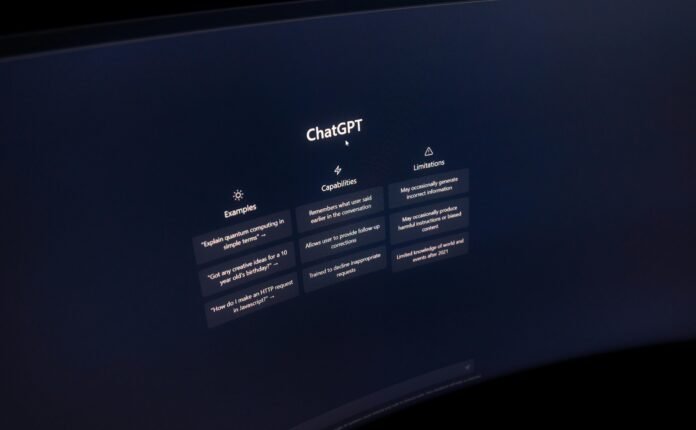
A versatile, conversational AI capable of generating ideas, outlines, FAQs, drafts, and more. Its flexibility makes it a default go-to for many bloggers.
Beyond note-taking, Notion AI now generates structured outlines, converts research notes into polished text, and integrates with editorial calendars for collaborative planning.
2.2 Writing & Drafting
Known for producing long-form blog posts with a strong focus on brand voice and SEO templates. Works well for narrative content, product reviews, listicles, and more.
A fast AI writing platform designed to produce SEO-friendly blog drafts, intros, and structured articles based on topic keywords. It can also paraphrase, expand, or rewrite content.
Great for short-form content like captions, headlines, and email copy, but also capable of assisting with blog post components like introductions and summaries.
claude & Gemini (Anthropic & Google)
Competing conversational AI is assisting with growing capabilities for long-form writing, deep research, and integration into Google and productivity ecosystems.
2.3 SEO & Optimization
Not strictly a writer, but invaluable for real-time SEO guidance—from optimal keyword usage to content structure and scoring.
Blends research, outline building, and SEO scoring with AI-driven text suggestions optimized to compete in search results.
2.4 Visual & Multimedia Tools
Midjourney & DALL.E / GPT image Models
AI image generators produce branded graphics, featured post images, illustrations, and engaging visuals. The latest models offer more refined control and faster rendering times, suitable for consistent visual branding.
Turn written blog posts into short videos for repurposing on social platforms. These tools extract key points and generate eye-catching video content automatically.
2.5 Editing, Polishing & Quality Control
AI-powered grammar, tone, clarity, and style improvements that operate across platforms—from WordPress to email and doc integrations.
Paraphrasing, summarization, and readability refinement are especially helpful for non-native English speakers and bloggers polishing drafts.
It includes advanced editing features like fact-checking, plagiarism detection, and AI trace removal, helping ensure content credibility and originality.
3. Practical Blogging Workflows with AI
Here’s how bloggers are integrating AI into real editorial workflows:
Step 1: Ideation & Topic Research
Start with trend analysis or keyword input, then feed concepts into tools like ChatGPT or Notion AI to create structured outlines.
Step 2: Draft Generation
Use tools like Jasper or Writesonic for first drafts based on outlines. Ask AI to generate intros, sections, and conclusions in a brand-consistent voice.
Step 3: Optimization
Run drafts through Surfer or Frase to refine keyword placement and boost search relevance before publishing.
Step 4: Visual Enhancement
Generate images with Midjourney or GPT Image 1.5 for post headers and social thumbnails. Convert portions of the post into short videos to expand reach.
Step 5: Polishing & Editing
Use Grammarly/QuillBot for final editing; ensure tone, grammar, and clarity are audience-appropriate.
Step 6: Promotion
AI tools can also help schedule and write promotional social media copy or email newsletters.

4. Balancing AI and Authenticity
While AI accelerates productivity, authenticity remains critical for building and maintaining audience trust. Here are strategies bloggers should adopt:
Keep Your Voice
AI drafts should be personalized. Adjust tone and stories to reflect your unique perspective.
Fact-Check and Update
AI models can hallucinate or produce outdated information. Always verify key facts before publishing.
Transparency
Some audiences prefer disclosure of AI usage—especially when content is partially or fully AI-generated.
Avoid Over-Optimization
Search engine algorithms increasingly favor helpful content over content stuffed with keywords. Let AI support SEO, not dominate it.
However, rising use of AI for summaries—like Google’s AI Mode aggregating recipe blogs—has pressured traditional content traffic and monetization for bloggers. Understanding the evolving search landscape is crucial to retaining readership.
5. Ethical, Legal & Competitive Considerations
AI introduces complex challenges:
Copyright & Attribution
AI may pull on existing content patterns; proper citation and original insights help protect your work.
Ownership of AI Content
Know the licensing terms of tools you use—especially if repurposing AI drafts commercially.
Search Engine Dynamics
As search engines integrate AI summaries and blended answers into results, bloggers may need to lean into niche expertise, community building, and unique storytelling.
6. What’s Next For AI & Blogging
The future points toward more interconnected AI ecosystems where tools not only generate content but also plan editorial strategy and adapt based on analytics and even offer performance predictions. Early versions of explainable AI systems are emerging that help creators understand why certain content platforms are better—blending strategy, creativity, and machine insight.
Voice and multimedia content will also continue to blend with text blogging—with AI repurposing static posts into dynamic videos, summaries, and interactive reader experiences.
Conclusion
AI in 2025 empowers bloggers to create smarter, faster, and more engaging content, but success still depends on strategic use, thoughtful editing, and authentic communication with readers.
Whether you’re using AI as a drafting assistant, SEO partner, visual content creator, or everything in between, these tools can help you scale your blogging workflow and focus on delivering your most meaningful ideas to the world.



купить крепеж оптом – надежное решение для ваших строительных нужд.
Современные технологии позволяют производить крепежные изделия с высокими характеристиками.
Thanks,dude!
Thanks