
Smart living is no longer a futuristic concept reserved for luxury homes or tech enthusiasts. By 2026, it has become an essential part of everyday life for millions of people around the world. Rising living costs, rapid technological advancement, environmental challenges, and changing work and lifestyle habits are all pushing individuals and families toward smarter ways of living. Smart living is about using technology thoughtfully to improve comfort, efficiency, security, health, and financial stability.
This article explores why smart living is becoming essential in 2026 and how it is transforming the way we live, work, and manage our daily lives.
1. Rising Cost of Living Demands Smarter Choices
One of the biggest reasons smart living is essential in 2026 is the increasing cost of living. Energy prices, rent, transportation, and basic necessities continue to rise globally. Smart living offers practical solutions to reduce these costs.
Smart thermostats, smart lighting, and energy-efficient appliances help households monitor and control energy usage in real time. Instead of wasting electricity, users can automate systems to turn off when not needed. Over time, these small savings add up to significant monthly and yearly cost reductions.
In 2026, living smart is no longer about convenience alone—it is about financial survival and sustainability.
2. Technology Is Now More Accessible Than Ever
In the past, smart technology was expensive and difficult to use. Today, smart devices are more affordable, user-friendly, and widely available. Smartphones, smart assistants, and cloud-based platforms have made smart living accessible even in developing regions.
With just a mobile phone and an internet connection, people can now:
- Control home devices remotely
- Track expenses and budgets
- Learn new digital skills
- Automate daily routines
In 2026, accessibility means smart living is no longer optional—it is becoming the standard way of managing modern life.

3. Remote Work and Digital Lifestyles Are the New Normal
The way people work has permanently changed. Remote work, freelancing, online marketing, and digital businesses are now common. Smart living supports this shift by creating efficient home environments that boost productivity and balance.
Smart home offices use:
- Noise control and smart lighting
- Productivity apps and automation tools
- AI assistants for scheduling and task management
In 2026, smart living enables people to work smarter, not harder, while maintaining a healthier work-life balance.
4. Time Efficiency Is a Modern Necessity
Time has become one of the most valuable resources. Smart living helps people reclaim time by automating repetitive tasks and simplifying decision-making.
Examples include:
- Smart reminders and calendars
- Automated grocery lists
- Voice-controlled assistants
- AI-powered planning tools
By reducing mental load and manual effort, smart living allows individuals to focus on what truly matters—family, health, learning, and growth.
5. Environmental Responsibility Is No Longer Optional
Climate change and environmental concerns are major global issues in 2026. Smart living plays a critical role in promoting eco-friendly habits and sustainable living.
Smart systems help:
- Reduce energy and water waste
- Optimize renewable energy usage
- Track carbon footprints
- Encourage responsible consumption
Living smart means living responsibly. Governments, organizations, and individuals are now aligning smart living with environmental protection and long-term sustainability.
6. Improved Safety and Security Are a Priority
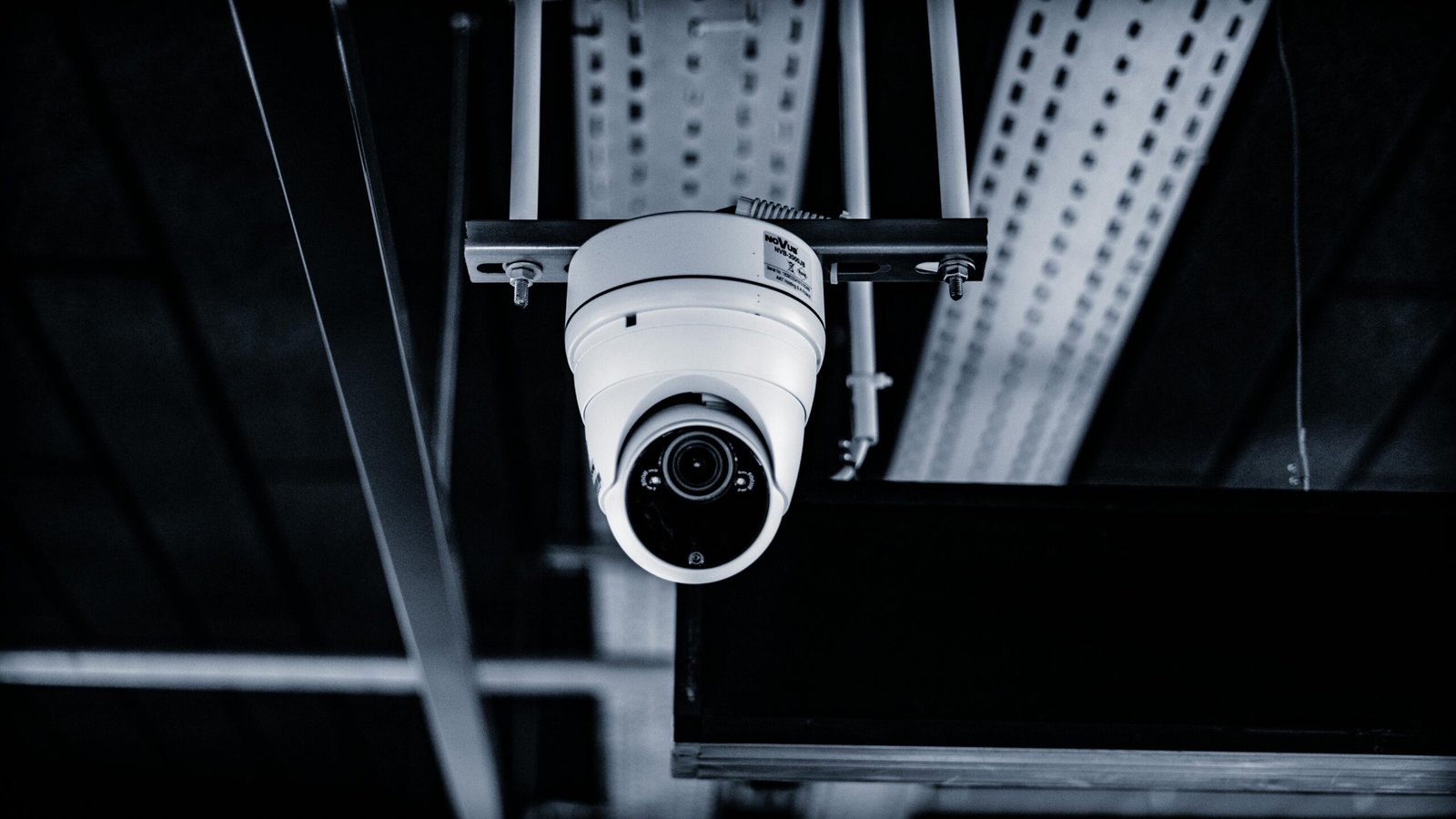
Security concerns have increased both online and offline. Smart living provides advanced solutions for protecting homes, data, and personal well-being.
Smart security systems include:
- Smart locks and cameras
- Motion sensors and alerts
- Cybersecurity tools for digital safety
In 2026, feeling safe is essential, and smart living offers peace of mind through proactive and intelligent security measures.
7. Health and Well-Being Are Becoming Tech-Driven
Health is a major focus of smart living. Wearable devices, health apps, and smart monitoring systems help people take control of their physical and mental well-being.
Smart living supports:
- Fitness tracking and activity monitoring
- Sleep analysis
- Stress management tools
- Telemedicine and remote consultations
In 2026, smart living empowers individuals to prevent health issues instead of reacting to them later.
8. AI Is Making Smart Living Smarter
Artificial intelligence is at the heart of smart living in 2026. AI systems learn from user behavior and continuously improve efficiency and personalization.
AI enables:
- Personalized recommendations
- Smart automation based on habits
- Predictive maintenance and alerts
- Better financial and lifestyle decisions
As AI becomes more integrated, smart living becomes more intelligent, adaptive, and essential.
9. Smart Living Supports Financial Growth
Smart living is not just about saving money—it also helps people earn smarter. Digital tools, AI platforms, and automation create new income opportunities and financial awareness.
Smart living encourages:
- Online income streams
- Better budgeting and investing
- Skill development and digital entrepreneurship
In 2026, financial growth is closely tied to how smartly technology is used.
10. Smart Living Is a Lifestyle Shift, Not a Trend
Most importantly, smart living is not a passing trend. It represents a long-term shift in how society functions. From cities to homes, from work to health, smart systems are shaping the future.
People who adopt early gain:
- Better control over their lives
- Increased efficiency and comfort
- Long-term financial and personal benefits
In 2026, smart living is becoming essential because the world itself is becoming smarter.
11. Smart Living Reduces Mental Stress and Decisions Fatigue
Modern life is filled with constant decisions—what to buy, when to pay bills, how to manage time, and how to stay productive. In 2026, smart living helps reduce decision fatigue by automating routine choices.
Smart systems handle repetitive tasks such as the following:
- Paying bills automatically
- Managing schedules
- Controlling home environments
- Sending reminders and alerts
By removing unnecessary daily decisions, smart living improves mental clarity and reduces stress. This allows people to focus on creativity, relationships, and long-term goals instead of constant problem-solving.

12. Smart Living Supports Personalized Experiences
One of the strongest reasons smart living is essential in 2026 is personalization. Technology now adapts to individuals’ preferences rather than forcing people to adapt to systems.
Smart living provides:
- Personalized lighting and temperature settings
- Customized learning productivity tools
- Tailored health and fitness recommendations
- Content and information based on personal interests
This level of personalization improves comfort, efficiency, and satisfaction, making everyday life smoother and more enjoyable.
13. Smart Cities Are Expanding Rapidly
Smart living is not limited to homes—it extends to entire cities. In 2026, more cities are adopting smart infrastructure to improve transportation, energy usage, and public services.
Smart cities offer:
- Intelligent traffic management
- Digital public services
- Smart energy grids
- Improved emergency response systems
As urban environments become smarter, residents must also adapt to smart living to fully benefit from these advancements.
14. Education and Skill Development Depend on Smart Living
Learning has become digital, flexible, and technology-driven. Smart living supports continuous education through online platforms, AI tutors, and smart learning environments.
In 2026, smart living enables the following:
- Remote learning from anywhere
- Skill upgrades without formal institutions
- AI-powered learning assistants
- Personalized education paths
This makes smart living essential for anyone who wants to stay competitive in a rapidly changing job market.

15. Smart Living Prepares People for Future Technologies
Technology continues to evolve rapidly. Smart living helps people adapt more easily to future innovations such as advanced AI, automation, virtual environments, and connected ecosystems.
By adopting smart living now, individuals:
- Become comfortable with new technologies
- Reduce resistance to change
- Stay digitally relevant
- Build confidence in using future systems
In 2026, being adaptable is just as important as being skilled—and smart living builds that adaptability.
Conclusion
Smart living in 2026 is no longer about luxury or convenience—it is about necessity, efficiency, and sustainability. As costs rise, technology advances, and lifestyles evolve, smart living provides the tools needed to adapt and thrive.
By embracing smart living today, individuals prepare themselves for a future that values intelligence, responsibility, and balance. Those who live smart will not only survive the changes ahead—they will lead them.