
Smart living is no longer a concept of the distant future—it is a practical, affordable, and accessible way of life available today. With the rise of smart devices, artificial intelligence (AI), and connected systems, even beginners can transform their homes and daily routines into efficient, secure, and eco-friendly environments. This ultimate guide will walk you through everything you need to know to start your smart living journey with confidence.
What is Smart Living?
Smart living refers to using connected technology to improve comfort, convenience, security, energy efficiency, and overall quality of life. It involves smart devices—such as lights, thermostats, appliances, and security systems—that communicate with each other through the internet and can be controlled remotely or automatically.
For beginners, smart living doesn’t mean replacing everything at once. It’s about making small, thoughtful upgrades that simplify daily life.

How Smart Living Works
Smart living systems typically rely on three core elements:
- Smart devices—physical products like bulbs, plugs, cameras, and sensors
- Connectivity—Wi-Fi, bluetooth, or smart hubs that link devices together
- Control systems—mobile apps, voice assistants, or automation rules
When these elements work together, your home can respond intelligently to your habits and preferences.
Key Benefits of Smart Living
1. Convenience and Comfort
Control your home lighting, temperature, and appliances from your phone or by voice. No more getting up to switch off lights or adjust fans.
2. Energy Efficiency
Smart systems reduce energy waste by automatically turning devices off when not in use. This can significantly lower electricity bills.
3. Improved Security
Smart locks, cameras, and motion sensors enhance home safety and allow you to monitor your property from anywhere.
4. Time Savings
Automation handles repetitive tasks—freeing up time for family, work, or relaxation.
5. Eco-Friendly Lifestyle
By reducing energy and water usage, smart living supports a more sustainable environment.
Essentials Smart Living Devices for Beginners
Smart Lighting
Smart bulbs and switches allow you to control brightness, color, and schedules. Beginners love smart lighting because it’s affordable and easy to install.
Smart Plugs
Smart plugs turn regular appliances into smart ones. You can schedule devices, monitor energy usage, and control them remotely.
Smart Thermostats
These devices learn your temperature preferences and adjust automatically, improving comfort while saving energy.
Smart Security Cameras
Smart cameras provide live video feeds, motion alerts, and cloud recordings to enhance home security.
Voice Assistants
Smart speakers like Alexa or Google Assistant act as the control center of your smart home, enabling hands-free commands.

Setting Up Your First Smart Home
Step 1: Smart Small
Begin with one or two devices, such as smart lights or plugs.
Step 2: Check Compatibility
Ensure devices work with your smartphone, Wi-Fi network, and preferred voice assistant.
Step 3: Use One Ecosystem
Stick to one platform (Google Home, Alexa, or Apple Home) to avoid compatibility issues.
Step 4: Secure Your Network
Use strong Wi-Fi passwords and enable two-factor authentication for smart apps.
Smart Living on a Budget
Smart living doesn’t require expensive equipment. Many budget-friendly options provide excellent functionality:
- Smart with smart plugs instead of smart appliances
- Buy devices during sales or bundles
- Use automation instead of buying extra devices
- Focus on high-impact upgrades like lighting and energy monitoring
Over time, the energy savings can offset the initial cost.
Smart Living for Daily Life
Smart Mornings
Lights turn on gradually, alarms adjust to your schedule, and coffee makers start automatically.
Smart Work-from-Home
Smart lighting improves focus, and temperature automation keeps you comfortable throughout the day.
Smart Evenings
Automated lighting scenes, media control, and security activation create a relaxing environment.
Smart Sleep
Smart thermostats and lighting improve sleep quality by maintaining ideal nighttime conditions.
Common Beginner Mistakes to Avoid
- Buying too many devices at once
- Ignoring device compatibility
- Overlooking cybersecurity
- Skipping automation features
- Not updating device firmware
Smart living works best when built gradually and thoughtfully.
Smart living Beyond the Home
Smart living is not limited to lights and plugs. As technology evolves, smart systems are expanding into health, transportation, and personal productivity, creating a fully connected lifestyle.
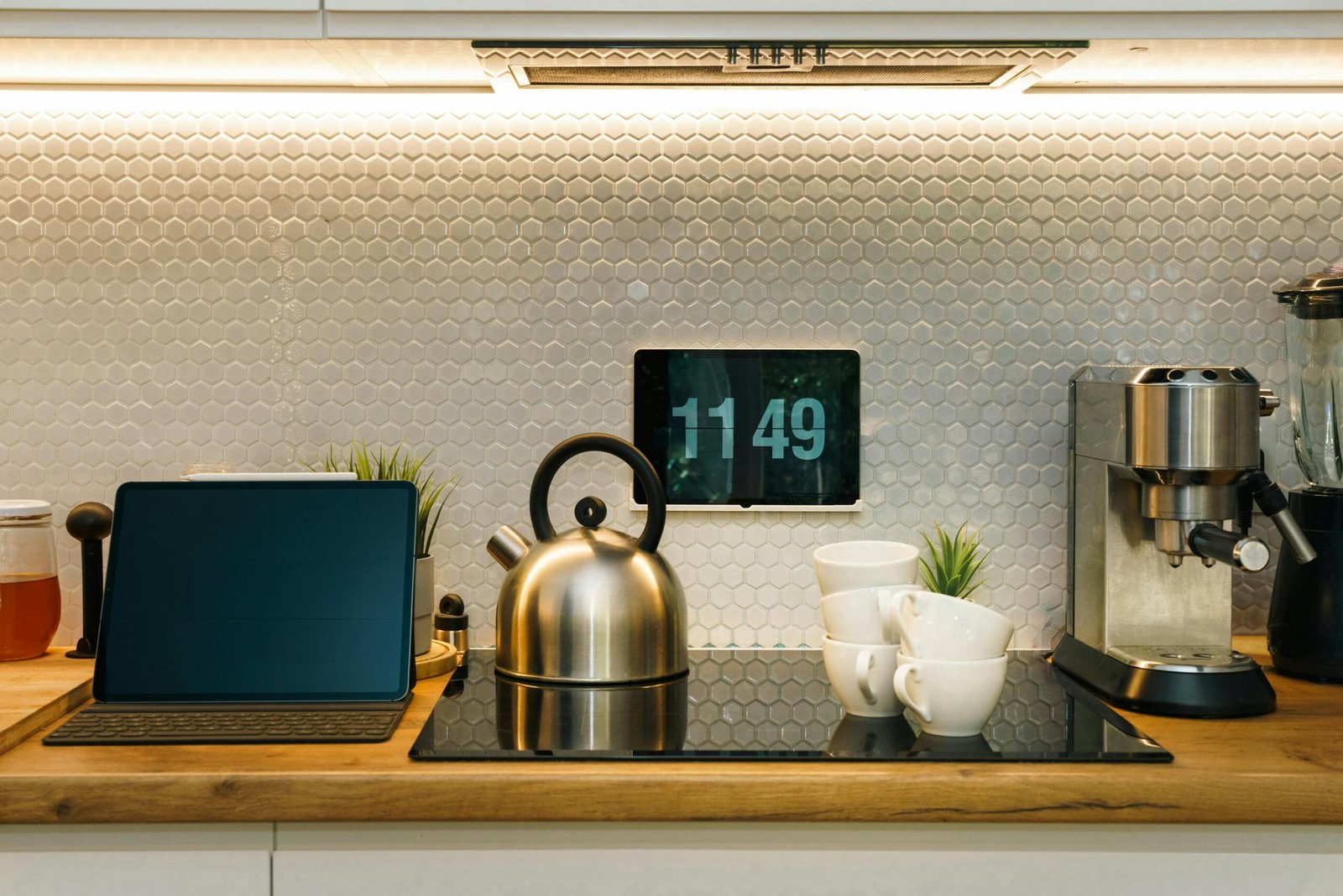
Smart Kitchens for Beginners
The kitchen is one of the best places to experience the power of smart living.
Smart Kitchen Devices
- Smart Refrigerators—Track food, reduce waste, and suggest recipes
- Smart coffee makers – brew coffee automatically at scheduled times
- Smart Ovens & Cookers—Control temperature remotely and prevent overcooking
- Smart Displays—Show recipes, timers, and shopping lists
Benefits
- Saves time during cooking
- Reduces food waste
- Improves meal planning
- Enhances kitchens safety
Beginners can start with a smart plug to automate kettles or rice cookers before upgrading to smart appliances.
Smart Living for Renters & Small Homes
You don’t need to own a house to enjoy smart living.
Best Options for Renters
- Smart bulbs (no wiring required)
- Smart plugs
- Portable cameras
- Smart speakers
- Wireless sensors
These devices are easy to install and remove when moving.
Smart Living for Health & Wellness
Smart living also supports physical and mental well-being.
Smart Health Tools
- Fitness Trackers & Smartwatches: Monitor steps, heart rate, and sleep
- Smart Scales: Track weight and body composition
- Smart Sleep Devices: Improve sleep quality through light and temperature control
- Air Quality Monitors: Ensure healthy indoor air
These tools help beginners build healthier routines using real-time data and reminders.
Smart Living and Energy Independence
Smart living pairs perfectly with renewable energy.
Smart Energy Tools
- Smart solar systems
- Energy monitoring plugs
- Battery storage systems
- Smart meters
Together, they help users track usage, reduce waste, and lower long-term costs—especially important in areas with unstable electricity.
Privacy and Security in Smart Living
While smart devices are convenient, protecting your data is essential:
- Change default passwords
- Keep devices updated
- Use secure Wi-Fi networks
- Disable unused features
- Buy from trusted brands
Being informed ensures your smart home remains safe and reliable.

Smart Living Checklist for Beginners
Before buying new devices, use this checklist:
- Stable Wi-Fi connection
- Smartphone compatible with devices
- One smart ecosystem selected
- Strong passwords enabled
- Clear goal (energy, security, comfort)
- Budget planned
This checklist helps avoid frustration and unnecessary spending.
The Future of Smart Living
Smart living is evolving rapidly. Future trends include AI-powered automation, smart energy grids, health monitoring systems, and fully integrated smart cities. Beginners who start today will be well-prepared to benefit from these innovations.
Final Thoughts
Smart living is about making life easier, safer, and more efficient—one step at a time. For beginners, the key is to start small, stay informed, and focus on practical solutions that fit your lifestyle and budget. With the right approach, smart living can transform your home into a space that works for you, not the other way around.
Whether your goal is saving energy, improving security, or simply enjoying modern convenience, smart living is a journey worth starting today.