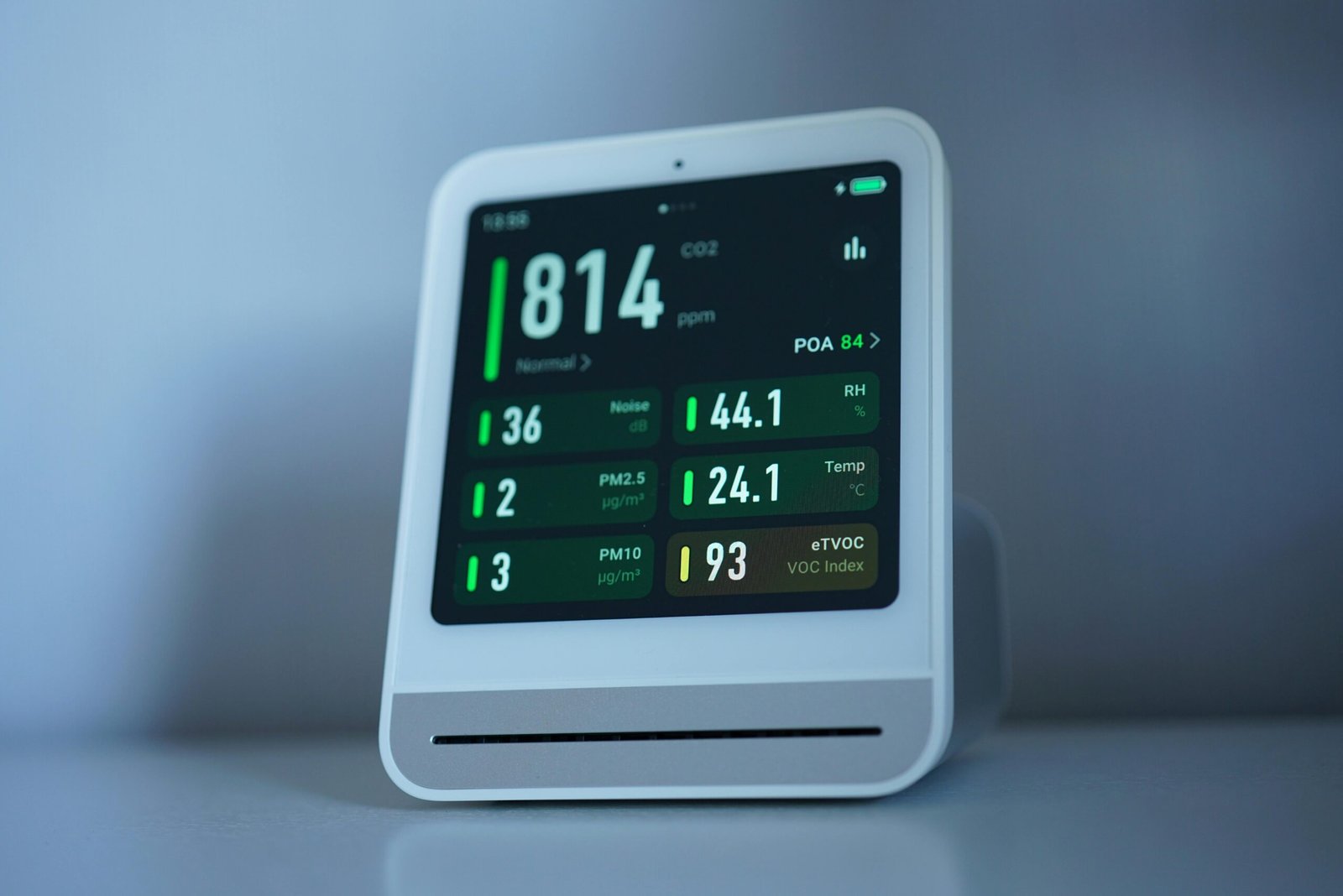
As electricity prices continue to rise around the world, households and small businesses are searching for smarter ways to manage energy use and reduce monthly bills. One of the most effective tools available today is the smart meter. Unlike traditional electricity meters, smart meters provide real-time data, automated reading, and powerful insights that help users understand exactly how and when electricity is being used. When used correctly, smart meters can significantly cut electricity costs while supporting a more energy-efficient lifestyle.
What is a smart meter?
A smart meter is a digital electricity meter that records energy consumption in real time and automatically sends the data to your utility provider. This eliminates estimated billing and manual meter readings. More importantly, smart meters give users access to detailed energy usage information through mobile apps or online dashboards, allowing them to track consumption by hour, day, or month.
Smart meters help transform electricity from a “hidden cost” into something visible and manageable. When you can see how much power your appliances consume, you are empowered to make smarter decisions that lower your bills.
How Smart Meters Help Reduce Electricity Costs
Real-Time Energy Monitoring
One of the biggest advantages of smart meters is real-time monitoring. Instead of waiting for a monthly bill, you can see how much electricity you are using at any moment. This helps you identify energy spikes, wasteful habits, and high-consumption appliances immediately.
For example, you may discover that your air conditioner consumes more power than expected or that certain devices continue using electricity even when turned off. With this knowledge, you can take action right away instead of being surprised by a high bill at the end of the month.
Accurate Billing: No Estimated Charges
Traditional meters often rely on estimated readings, which can result in overbilling. Smart meters send exact usage data to utility companies, ensuring you only pay for the electricity you actually use. This transparency builds trust and helps households plan their budgets more effectively.
Time-of-Use Pricing Benefits
Many utility providers offer time-of-use (TOU) pricing for homes with smart meters. Electricity costs less during off-peak hours, such as late at night or early in the morning. By shifting activities like laundry, dishwashing, or electric vehicle charging to these cheaper periods, you can reduce electricity costs without sacrificing comfort.
Smart meters make it easy to identify the most affordable times to use electricity and adjust your routine accordingly.
Practical Ways to Use Smart Meters to Lower Your Bill
Identify Energy-Hungry Appliances
Smart meters help reveal which appliances consume the most electricity. Common energy hogs include refrigerators, air conditioners, heaters, water heaters, and old electronics. Once identified, you can:
- Upgrade to energy-efficient models
- Reduce usage time
- Adjust temperature settings
- Schedule usage during off-peak hours
Even small changes, like lowering air conditioner use by one degree or switching to LED lighting, can lead to noticeable savings over time.
Eliminate Standby Power Waste
Many devices continue to use electricity even when turned off—a phenomenon known as “phantom load.” Smart meters allow you to spot this hidden energy drain. Televisions, gaming consoles, chargers, and office equipment are common culprits.
By unplugging unused devices or using smart power strips, you can cut unnecessary electricity use and lower your monthly bill without affecting daily life.
Set Usage Alerts and Limits
Most smart meter systems include alerts that notify you when energy consumption exceeds a certain level. These alerts help prevent unexpected bill increases and encourage responsible energy use. Setting daily or weekly limits allows you to stay within a budget and adjust habits early.
Track Seasonal Usage Patterns
Electricity usage often changes with the seasons. Smart meters allow you to compare energy consumption across different months and years. This insight helps you prepare for high-usage periods like summer cooling or winter heating and plan energy-saving strategies in advance.
Combining Smart Meters with Smart Home Technology
Smart meters work best when combined with smart home devices. Smart thermostats, smart plugs, and energy-efficient appliances can automatically respond to usage data from your smart meter. For example, a smart thermostat can reduce cooling when electricity prices are high or when no one is home.
This level of automation maximizes energy savings without requiring constant manual adjustments, making smart meters ideal for busy households.
Environmental Benefits of Using Smart Meters
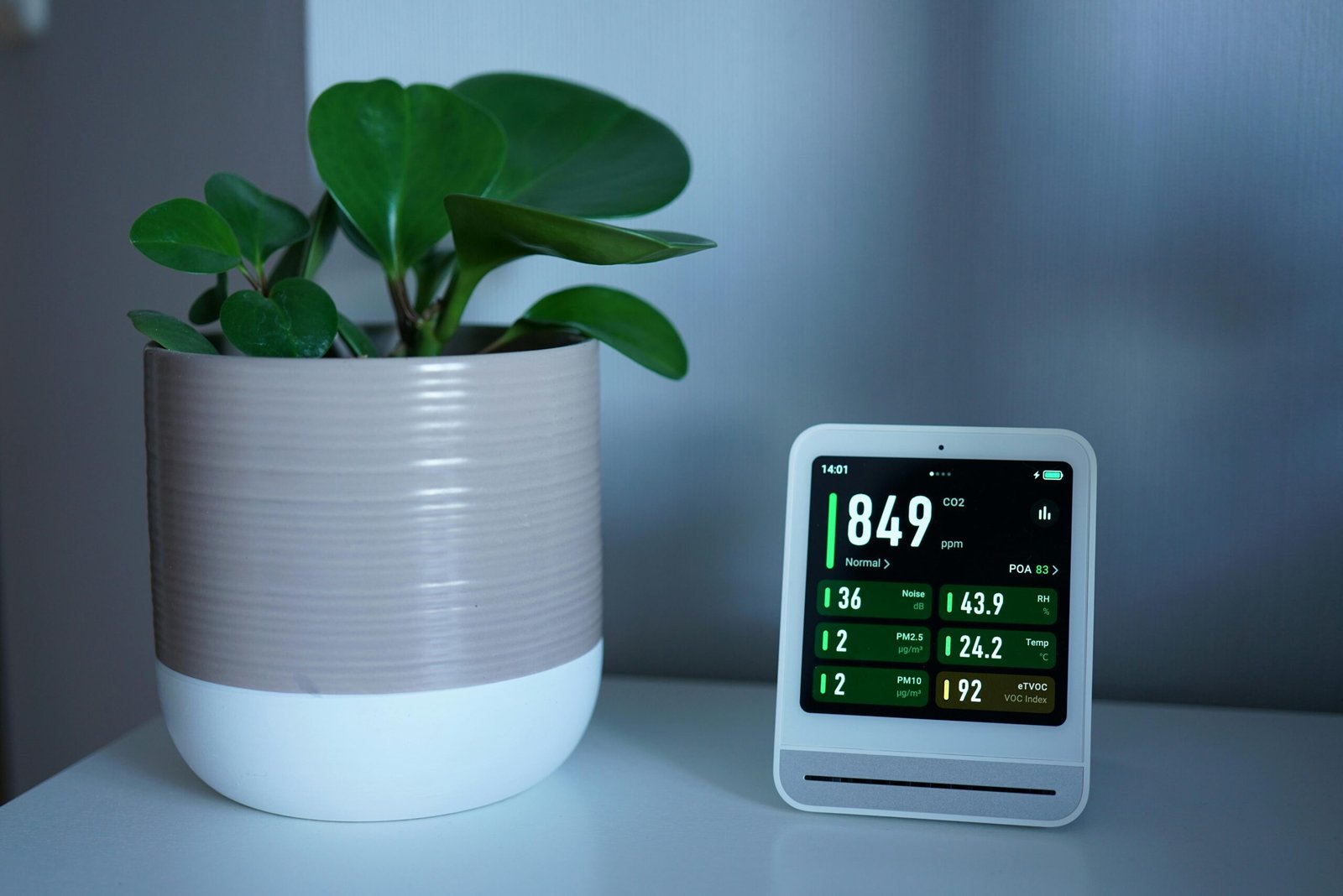
Reducing electricity consumption doesn’t just save money—it also helps the environment. Lower energy demand means fewer fossil fuels burned to generate electricity, reducing carbon emissions. By using smart meters to manage energy wisely, households contribute to a more sustainable and eco-friendly future.
Common Myths About Smart Meters
Some people worry that smart meters increase electricity usage or invade privacy. In reality, smart meters do not consume significant power, and energy data is protected by strict security standards. The meter itself does not raise bills—higher bills usually come from increased usage that smart meters simply make more visible.
Is a Smart Meter Worth It?
For most households, the answer is yes. The combination of real-time data, accurate billing, and energy-saving opportunities makes smart meters a valuable investment. Over time, the savings from improved energy management often outweigh any installation costs.
How Smart Meter Help You Set Realistic Energy Goals
Smart meters make it easier to set and achieve realistic electricity-saving goals. Instead of guessing how much power your household should use, you can rely on actual data. By reviewing daily and weekly energy usage reports, you can set clear targets such as reducing consumption by 10-20% each month. These small, measurable goals motivate better habits and help track progress over time.
When households involve all family members in energy-saving goals, results improve even faster. Children and adults alike become more aware of turning off lights, limiting device usage, and avoiding unnecessary electricity consumption. Smart meters turn energy saving into a shared responsibility, making it easier to stay consistent and reduce costs month after month.
Final Thoughts
Smart meters are powerful tools for cutting electricity costs and taking control of energy consumption. By understanding your usage patterns, shifting electricity use to off-peak hours, eliminating waste, and integrating smart home technology, you can significantly lower your monthly bills. Beyond financial benefits, smart meters also support a cleaner environment and a more sustainable future.
Using a smart meter isn’t just about saving money—it’s about making smarter, more responsible energy choices every day.