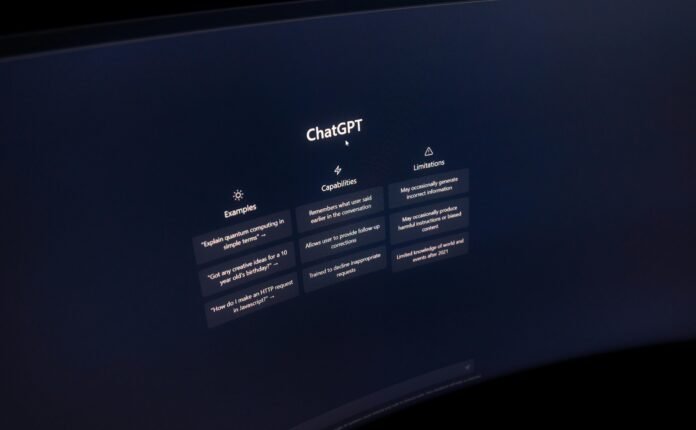
In recent years, “AI-Powered personal assistants” – also called virtual assistants or digital /AI assistants – have become increasingly common, embedded in smartphones, smart speakers, computers, and online services. They promise to make life easier: automate routine tasks, help you manage your schedule, fetch information quickly, and even provide a bit of companionship. But as, with every technology, whether they are truly “worth it” depends heavily on how you use them – and how you balance benefits against trade-offs. In this article I explore what AI personal assistants bring to the table, the potential downsides and when they may or may not make sense for you.
What AI-Powered Assistants Do Well
One of the most commonly cites advantages of AI assistants is how they save time and reduce mental load. They can handle repetitive or administrative tasks – scheduling appointments, setting reminders, managing emails, organising to-do-list, sending messages – so you don’t have to.
For instance, many people find it more efficient to use an AI assistant to draft emails, sort through messages, or organise tasks so they can focus on more creative or strategic work.
In a workplace context, studies of AI-Powered assistants (especially those using generative AI) show that they can measurably improve productivity: for some tasks, assistants help users get more done per hour or handle tasks that would otherwise consume significant time.
- Convenience and 24/7 Availability
AI assistants don’t need sleep or breaks. They can be availability around the clock to help you set reminders, respond to messages or questions, check fact or perform routine tasks.
Furthermore, modern assistants can integrate with many aspects of your digital and “smart home” life. For example: calendars, email, messaging apps, smart devices – enabling you to control lights, thermostats, play music, check weather or news, or manage daily routines via a single assistant.
This kind of integration can save time, reduce friction (less switching between apps or devices) and make daily life smoother.
- Because AI assistants can learn from user behavior (what you ask, when you ask, your preferences) they can tailor their responses and suggestions in a way a generic tool cannot.
They also can help with accessibility: for people with disabilities, or those who have difficulties typing or navigating complex UIs, voice-or AI-assisted input can make technology more usable.
And for many, there’s a convenience or even companionship element – a “digital helper” always ready to assist.
Hiring a human assistant – whether for personal tasks or business support – can be expensive. AI assistants, once set up, offer many of the same convenience for a fraction of the cost.
For small businesses or individuals, an AI assistant many provide a “good enough” level of support without the overhead of salary, benefits, scheduling, management and other costs tried to hiring people.

The Trade-offs, Risks and Limitations
As beneficial as AI assistants can be, they also come with important caveats – many of which depend on how carefully you manage their use.
- Privacy, Security and Data Sensitivity
To make effectively, AI assistants often need access to personal – sometimes sensitive – data: emails, calendars, contact lists, scheduling details, preferences, search history, may be even financial or health info (depending on your usage).
That raises concerns about data storage, access, potential misuse or breaches. If the underlying systems are not secure enough, you could risk exposing personal or confidential information.
In addition, some assistants rely on cloud services – meaning data is transmitted over the internet, stored on remote servers, possibly crossing borders, which brings in issues of data governance, regulatory compliance and user consent.
When you start delegating many tasks to AI – remembering appointments, drafting messages, organising things – there’s a risk of becoming overly dependent. Over time, you may rely less on your own memory, decision-making, or organisational skills.
This “cognitive offloading” can make life easier – but might also diminish your capacity for planning, remembering and thinking independently.
Moreover, because AI assistants often lack true emotional understanding, nuance or empathy, they may not notice context or subtlety, especially in personal or sensitive matters.
- Mistakes, Inaccuracy and Misunderstanding Context
Despite advances, AI assistants are not perfect. They can misinterpret commands, misunderstand context (especially when language is ambiguous or complex), mis-handle tasks – especially if instructions are vague or the assistant isn’t “trained” properly for your context.
They may also rely on external information sources, which could be outdated or inaccurate. AI assistants are only as good as the data they draw from – so there’s always a risk of receiving incorrect or misleading advice.
- Not a Human: Limited Emotional Intelligence & Creativity
AI assistants can’t replace human intuition, empathy, creativity or judgment, For tasks that require emotional nuance, moral reasoning or deep human understanding – e.g; relationship advice, conflict resolution, sensitive personal decisions – AI remains limited.
They are tools – powerful ones – but they don’t have human experiences, consciousness or genuine emotional awareness.
- Technology Dependence, Infrastructure and Integration Challenges
AI assistants often depend on stable internet connectivity, compatible software/hardware and working ecosystems. In places or times where internet is unreliable, their usefulness drops significantly.
Also, integrating assistants into your existing workflows – especially complex ones – may be challenging. Sometimes setting them up, configuring their permissions, teaching them preferences or workflows, is not trivial.
For businesses, especially those with legacy systems or limited IT infrastructure, adoption might require significant investment and continuous oversight to ensure the assistant works properly and securely.
When AI Assistants Are Most Worth It – and When They’re Not
Good Situations / Use Cases
- Busy people with many repetitive tasks – If your life involves a lot of scheduling, email, to-dos, tasks that are repetitive but time-consuming, an AI assistant can save a lot of time.
- Professionals or small businesses – For freelancers, small businesses owners, or those working alone, an AI assistant can provide support similar to a human assistant but at lower cost and with flexibility.
- People juggling multiple roles – Students who study + work part-time; parents managing home + job; remote workers – AI assistants help reduce overload.
- Those who value convenience and integration – If you use multiple devices/services (smartphones, laptop, smart-home devices, calendars, email, messaging), AI assistants that integrate across them can streamline everything.
- Accessibility needs – People with disabilities might gain substantial benefit from voice-controlled assistants, or assistants that help with organisation, reminders, reading, transcription, etc.
Cases Where They’re Less Suitable
- You’re privacy-conscious or handle sensitive data – If you’re uneasy sharing emails, financial info, health data, or other sensitive info with an assistant – or you live/operate in a region where data security/infrastructure is weak – then the risks may outweigh the convenience.
- You value control, critical thinking or personal judgement – For tasks involving nuance, creativity, ethical decisions, interpersonal relations, human empathy – AI assistants can help, but human judgement remains superior.
- Unstable internet / limited device ecosystem – If you lack reliable internet or use devices/services that don’t support AI assistants well, practical value may be low.
- You already prefer minimalism / low-tech workflows – For some people, simple pen-and paper or manual systems give sufficient structure, and AI adds overheads or unnecessary complexity.

The Future: Evolving Assistants – Promise and Caution
The field of AI personal assistants is evolving rapidly. According to recent research, there’s growing interest in “privacy-first” AI assistants – ones that try to make decisions (or privacy recommendations) on behalf of users, based on user-defined preferences, while minimizing data risks.
Newer assistants also aim to improve emotional awareness: some systems attempt to infer user’s stress, mood or emotional state (e.g. via tone, context) and respond with empathy – suggesting help, reminders to relax, or supportive messages.
On the integration side: assistants are becoming more unified across ecosystems – bridging phones, smart devices, home automation, scheduling, communications – making them more like a “digital companion” than a simple tool.
But simultaneously, concerns remain about ethics, transparency, data security and over-reliance. As highlighted by recent academic reviews, wide adoption demands robust privacy safeguards, ethical design, user control and clarity about how data is used.
In short, the next generation of AI assistants may become more powerful, more helpful – and also more intrusive if not managed responsibility.
My Take: Are They Worth It?
Yes – but with caveats. For many people (especially those with busy lives, many commitments, cluttered digital workflows, or resource constraints). AI-Powered personal assistants can be very worth it. They offer real benefits: saving time, reducing mental load, streamlining tasks, and integrating across devices and services.
However, they aren’t a magic bullet. Their value depends heavily on how you use them, what data you give them access, and how aware you are of their limitations. If you over-rely on them, compromise privacy, or expect them to replace human judgement and empathy – you might be disappointed.
In a balanced, mindful usage – treating them as tools, not replacements for human thought or relationships – AI assistants can meaningfully boost productivity and convenience.