Creating a zero-waste home is no longer just a lifestyle choice—it has become an achievable vision thanks to the rapid rise of smart technology. Traditional sustainability methods like recycling, composting, and reducing consumption remain essential, but smart devices now make it easier to monitor waste, automate eco-friendly habits, and optimize resource use. By integrating smart tech into daily routines, households can significantly cut down waste, save money, and reduce their environmental footprint.
This article provides a comprehensive guide on how to build a zero-waste home using modern smart technology, covering waste reduction, energy use, water management, and sustainable automation.
1. Start With a Zero-Waste Mindset
Before adopting technology, the foundation of a zero-waste home is a mindset shift:
- Refuse what you don’t need
- Reduce what you do use
- Reuse items instead of constantly buying new
- Recycle responsibly
- Rot (compost organic waste)
Smart tech helps you apply these principles efficiently.
2. Smart Waste Management Systems
2.1 Smart Bins & Waste Trackers

Smart bins use sensors and AI to analyze what you throw away and give insights on how to reduce waste. Features may include:
- Tracking your waste amounts weekly or monthly
- Identifying recyclable vs non-recyclable items
- Suggesting ways to reduce food waste
- Sending reminders before trash collection days
These tools make households aware of their waste patterns, helping them improve step by step.
2.2 Smart Composting Machines
Indoor smart composters transform food scraps into nutrient-rich compost within hours or days. They feature:
- Odor-free sealed systems
- Automated grinding and drying
- Real-time app monitoring
By diverting food scraps from landfills, they drastically lower methane emissions.
3. Smart Kitchens Upgrades (The Heart of Waste Reduction)
3.1. Smart Refrigerators to Reduce Food Waste
Modern refrigerators now come with:
- Internal cameras to check food remotely
- Expiry-date reminders
- AI-powered inventory management
- Shopping suggestions based on what you already have
This minimizes unnecessary purchases and reduces spoiled food—the biggest contributor to household waste globally.
3.2 Smart Water-Saving Faucets
Motion-sensing faucets limit water use, preventing wastage while washing dishes or preparing food.
3.3 Smart Cooking & Meal Apps
Cooking apps integrate with smart appliances to:
- Suggest recipes using ingredients you already have
- Track quantities for precise meal planning
- Minimize leftovers
You save food, energy, and money.
4. Energy Efficiency Through Smart Home Devices
4.1 Smart Meters & Energy Dashboards
Real-time energy dashboards show:
- Which appliances consume the most power
- Peak times to avoid
- Recommendations for reducing energy waste
Lower energy waste equals a smaller carbon footprint.
4.2 Smart Thermostats
Smart thermostats learn your patterns and adjust heating/cooling automatically, reducing unnecessary energy use by up to 30%.
4.3 Smart Lighting Systems
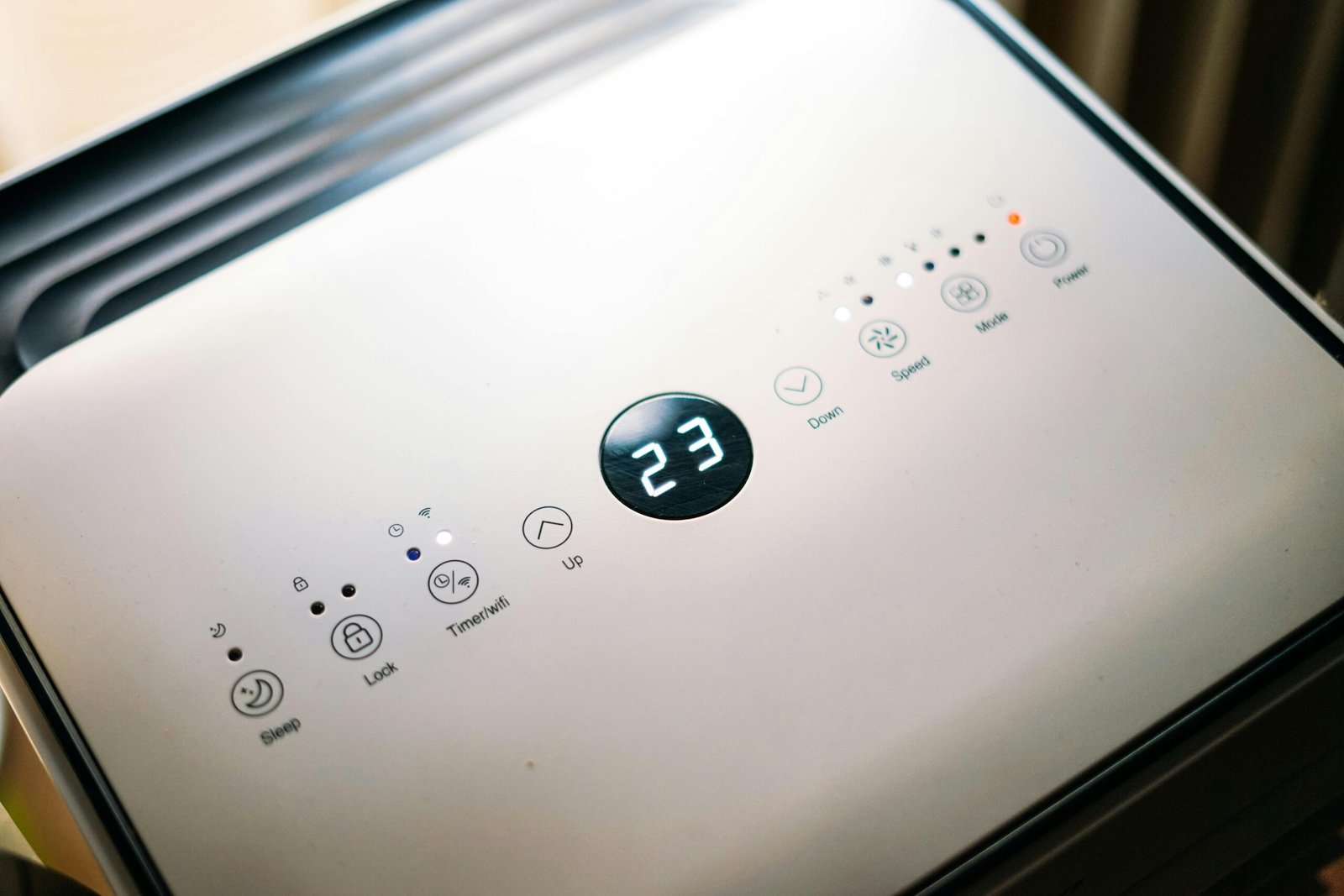
Key features for zero-waste homes:
- Motion sensors that turn off lights in empty rooms
- Daylight sensors to dim lights automatically
- LED bulbs that last longer and consume less energy
- App-controlled on/off scheduling
Lighting accounts for a significant portion of energy waste—smart systems make it efficient and automatic.
5. Smart Water Conservation Tools
5.1 Smart Water Leak Sensors
Instant alerts help prevent major water loss and property damage.
5.2 Smart Irrigation Systems
Ideal for gardens or lawns. These devices:
- Monitor weather
- Track soil moisture
- Automatically adjust watering schedules
This avoids water waste while keeping plants healthy.
5.3 Smart Shower Heads
Some smart shower systems measure how much water is used and provide feedback or limits. Others use temperature sensors to avoid wasting water while waiting for it to warm up.
6. Smart Shower Heads
6.1 Home Assistants (Alexa, Google Home, etc.)
These can be configured to:
- Remind you about sustainability tasks
- Automate energy-saving routines
- Control lights, appliances and thermostats
- Manage grocery lists to avoid overbuying.
6.2 Smart Power Strips
They automatically cut power to unused devices, eliminating phantom energy waste.
6.3 Smart Laundry & Cleaning Appliances
Modern machines can:
- Measure the exact amount of water needed
- Detect detergent levels
- Recommend eco-cycles
- Use less electricity through efficient motors
Some vacuum robots even identify and avoid small items to prevent accidental waste.
7. Digital Tools for Zero-Waste Living
7.1 Inventory Apps
Track what you own—especially cleaning products, toiletries, and clothing—helping reduce redundant purchases.
7.2 Donation Platforms
Smart apps connect you with local donation centers, reducing clutter and giving items a second life.
7.3 Smart Shopping Lists
Apps prevent impulse buying and help families stick to only what is needed.
8. Eco-Friendly Smart Materials for Home Design
When renovating or building:
- Choose smart glass that adjusts tint based on sunlight
- Install solar panels with smart inverters
- Opt for smart insulation materials
- Use recycled smart materials that track production and sustainability data
This ensures a long-term, low-waste ecosystem.
9. Financial Benefits of a Smart Zero-Waste Home
A sustainable, tech-enhanced home:
- Lowers utility bills
- Extends lifespan of appliances
- Reduces food waste costs
- Minimizes repair expenses
- Increase property value
Zero waste is not only good for the environment—it’s smart for the wallet.
10. Smart Packaging & Refill Technology
One major source of household waste is packaging. especially plastics. Smart refill stations and packaging technology are helping reduce this problem. Some smart dispensers allow you to refill cleaning products, soaps, and detergents using reusable containers. These problems track usage and notify you when it’s time to refill rather than repurchase.
In addition, QR code-enabled packaging provides detailed recycling instructions and sustainability. data. By scanning packages, households can learn how to dispose of items correctly and avoid contamination in recycling bins. This smart approach drastically cuts packaging waste while promoting responsible consumption.
11. AI-Powered Consumption Analytics
Artificial intelligence can now analyze household consumption patterns to predict waste before it happens. AI-powered platforms monitor energy, food, and product usage, offering personalized suggestions for improvement.
For example, AI systems can warn you if you consistently buy more food than you consume or if certain appliances are wasting energy. Over time, these insights help families make smarter decisions, reducing waste automatically without constant manual effort.
Conclusion: The Future of Zero-Waste Living
Building a zero-waste home is a journey, not an overnight change. Smart technology makes this journey easier, faster, and more efficient. By integrating waste-reducing devices, energy-saving automation, smart appliances, and sustainability apps, households can dramatically reduce their environmental impact.
A zero-waste lifestyle becomes effortless when the home itself is designed to support it intelligently, automatically, and sustainably.