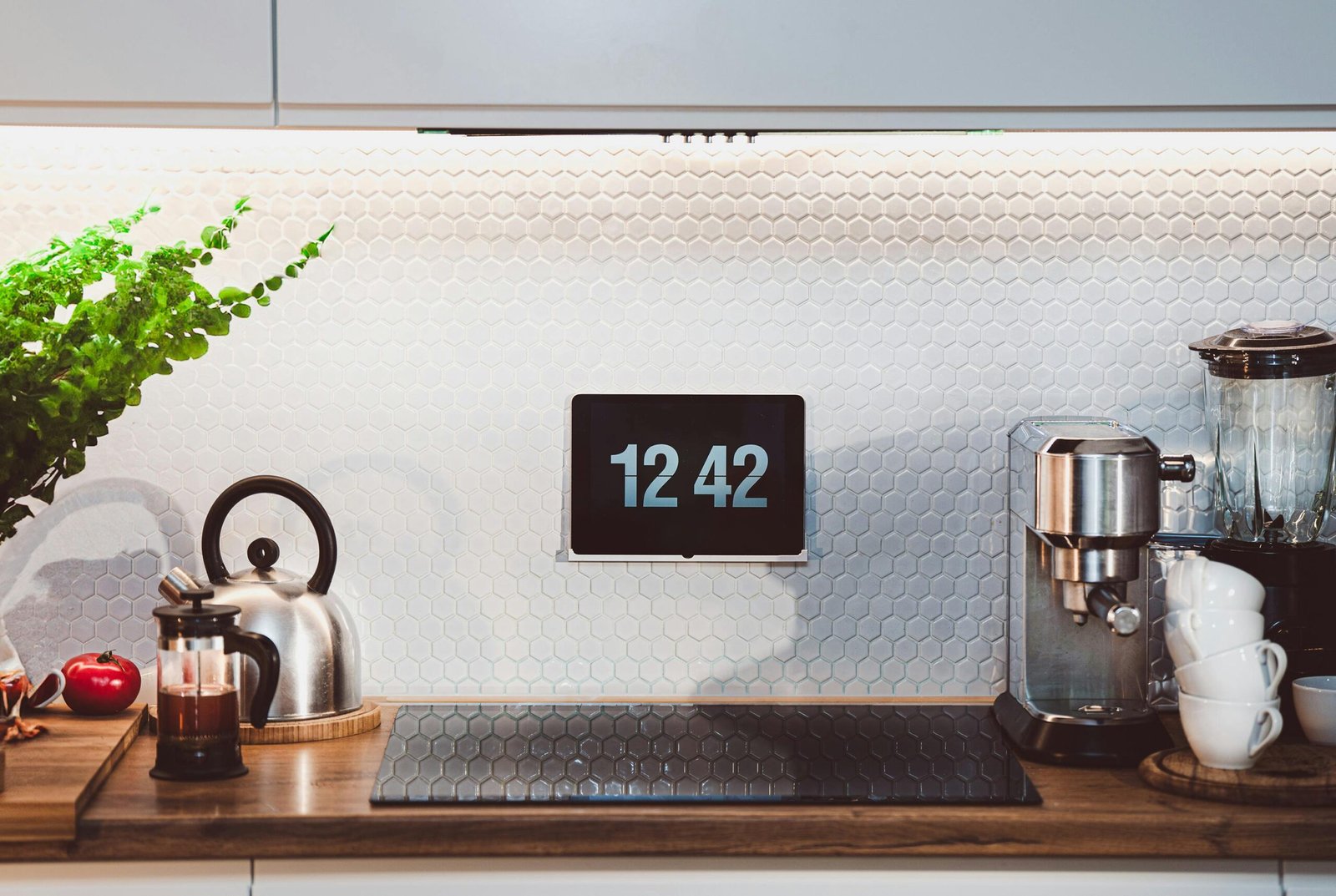
Technology is quietly transforming our homes, but few places have changed as rapidly as the kitchen. Once defined by manual appliances and traditional cooking practices, the modern kitchen has evolved into a connected, automated, and highly efficient ecosystem. The rise of smart kitchens reflects a broader global shift toward sustainability, convenience, and energy-conscious living. As more homeowners look for ways to reduce waste, save time, and minimize their environmental footprint, smart kitchen innovations are becoming essential rather than optional.
This article explores the evolution, features, and ecological advantages of smart kitchens—and why they are rapidly becoming the heart of eco-friendly homes.
1. What Is a Smart Kitchen?
A smart kitchen is an interconnected cooking environment that uses technology—such as sensors, AI, machine learning, and Wi-Fi connectivity—to optimize meal preparation, energy usage, waste management, and kitchen safety. These systems allow appliances to communicate with one another, automate tasks, and provide real-time data that supports better decision-making.
Smart kitchens typically integrate:
- Smart refrigerators
- Touch-enabled or voice-activated ovens and stoves.
- Automated dishwashers
- Smart faucets and water monitors
- Sensor-based lighting and ventilation
- AI-powered meal-planning apps
- Energy-efficient cooking devices
Together, these features create a seamless and highly efficient cooking experience with minimal waste and lower environmental impact.

2. Eco-Friendly Innovations Powering Smart Kitchens
a. Energy-Efficient Appliances
Smart appliances are designed to consume significantly less power. Modern refrigerators use adaptive cooling duration to conserve energy. Even dishwashers have eco-modes that use less water and electricity without compromising performance.
b. Smart Water Management
Water scarcity is becoming a global concern. Smart faucets and leak-detection sensors help homeowners track usage and prevent waste. Some systems can reduce flow automatically or shut off water when not needed, saving thousands of liters annually.
C. Waste Reduction Systems
Food waste is one of the biggest ecological problems today. Smart kitchens tackle the issue by:
- Using refrigerators’ cameras to track expiration dates
- Suggesting recipes based on available ingredients
- Helping users plan meals to avoid overbuying
- Connecting to composting systems that convert food scraps into fertilizers
This level of tracking and automation significantly cuts down on household food waste.
d. Sustainable Materials and Designs
- Eco-friendly kitchens also emphasize materials such as recycled metal, reclaimed wood, low-energy LED lighting, and toxin-free countertops. These design elements complement the smart technology, creating a kitchen that is both modern and environmentally responsible.
3. Smart Technologies Enhancing Efficiency
a. Voice and App Control
Whether using Google Assistant, Alexa, or a proprietary app, users can control appliances hands-free. From preheating the oven to checking refrigerators’ contents while shopping, voice and mobile controls make kitchens more intuitive and time-efficient.
b. Predictive Cooking and AI
AI-powered ovens can recognize what’s inside them and adjust settings automatically. Some can even prevent food from burning by monitoring internal moisture levels or using temperature sensors.
C. Automation and Scheduling
Smart kitchens allow schedules such as the following:
- Starting the dishwashers during off-peak electricity hours
- Auto-brewing coffee when a person wakes up
- Pre-setting cooking modes based on dietary goals
This helps users save time and electricity while maintaining convenience.
d. Integrated Kitchens Ecosystems
Smart kitchens are moving toward full integration, where refrigerators communicate with microwaves, ovens share data with ventilation systems, and AI assistants coordinate everything. This creates a unified ecosystem that operates smoothly and efficiently.
4. The Environmental Impact of Smart Kitchens
The eco-benefits of smart kitchens are substantial:
- Lower Energy Consumption
Through automation and intelligent power management, smart appliances use significantly less electricity than traditional ones.
- Reduced Water Wastage
Smart faucets, dishwashers, and sensors ensure water is used only when necessary.
- Less Food Waste
With automatic monitoring, smart refrigerators and apps help reduce spoilage and encourage responsible consumption.
- Improved Air Quality
Smart ventilation systems detect smoke, humidity, and pollutants, adjusting automatically for cleaner indoor environments.
- Longer Appliances Lifespan
Predictive maintenance alerts users about issues before appliances break down, reducing electronic waste.

5. Are Smart Kitchens the Future
The rapid adoption of smart home technology suggests that the future of kitchens is one where sustainability and convenience coexist. As global environmental pressures increase, eco-friendly designs and energy-saving technologies will become standard features rather than luxury additions.
In the near future, we may see the following:
- Fully self-cleaning kitchens
- Zero-waste food management systems
- AI nutrition advisors integrated into cooking appliances
- Solar-powered smart kitchen devices
- Hyper-efficient induction systems replacing traditional stoves
These innovations point toward a future where cooking is easier, greener, and more enjoyable.
6. Smart Kitchens and Cost Savings Over Time
While smart kitchen appliances may have a higher upfront cost, they often lead to significant long-term savings. Energy-efficient refrigerators, induction cooktops, and AI-powered ovens consume less electricity, which directly lowers monthly utility bills. Smart dishwashers and faucets also reduce water usage, cutting water costs over time.
Additionally, predictive maintenance features notify users before appliances fail, helping avoid expensive repairs or replacements. By reducing food waste through smart inventory tracking and meal planning, households also save money on groceries. Over the years, these combined savings can easily outweigh the initial investments, making smart kitchens both eco-friendly and financially smart.
7. Smart Kitchens Supporting Healthier Lifestyles
Smart kitchens are not just about efficiency—they also promote healthier living. Many smart appliances integrate with nutrition and fitness apps to recommend balanced meals based on dietary needs, allergies, or health goals. Smart scales, refrigerators, and ovens can track calorie intake and portion sizes with impressive accuracy.
Some systems even suggest healthier cooking methods, such as steaming instead of frying, or adjusting oil usage automatically. By encouraging mindful eating and better food choices, smart kitchens help families maintain healthier lifestyles while still enjoying convenience and comfort.
Conclusion
The rise of smart kitchens marks a major shift in how we approach food, energy, and household management. By blending advanced technology with sustainable practices, smart kitchens not only simplify daily tasks but also contribute to a more eco-friendly lifestyle. They reduce waste, save energy, and enhance efficiency—making them a central part of the modern sustainable home.
As technology continues to evolve, smart kitchens will only become more capable, intuitive, and environmentally conscious. The transformation is already underway, and it’s reshaping the future of home living one appliance at a time.