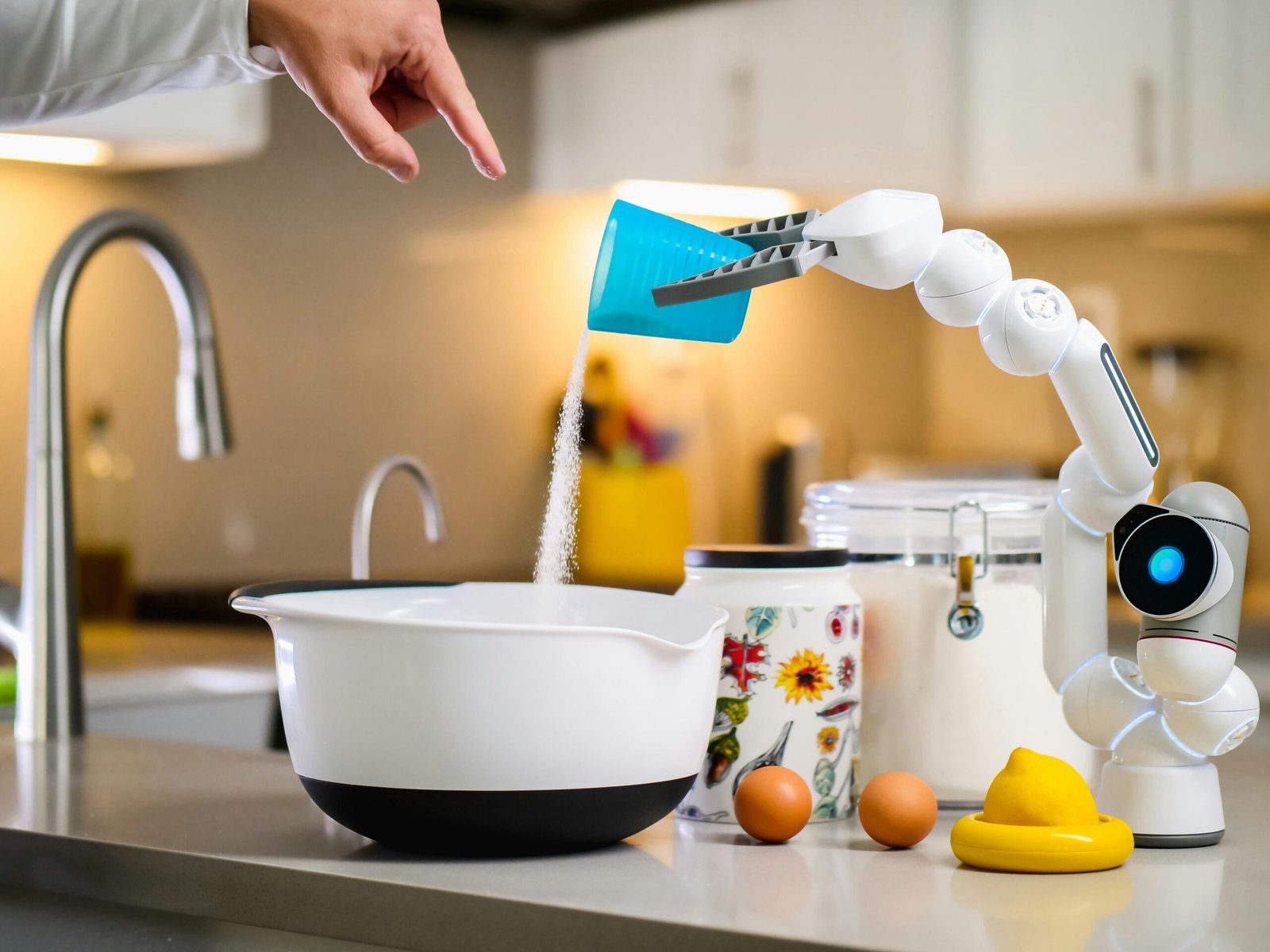
Technology that used to live in science fiction is now part of everyday life. Over the past decade AI has moved from desktop software and cloud services into physical devices and home apps that can see, plane, learn and act. In many households today AI is already taking over repetitive chores-vacuuming, lawn, mowing, monitoring, scheduling, cooking guidance and more-and within a few years the number and capability of those tools will grow. This article surveys the categories of AI home tools that are already replacing manual tasks, explains how they work, lists leads examples, and discusses practical limits, costs privacy trade-offs and what to expect next.
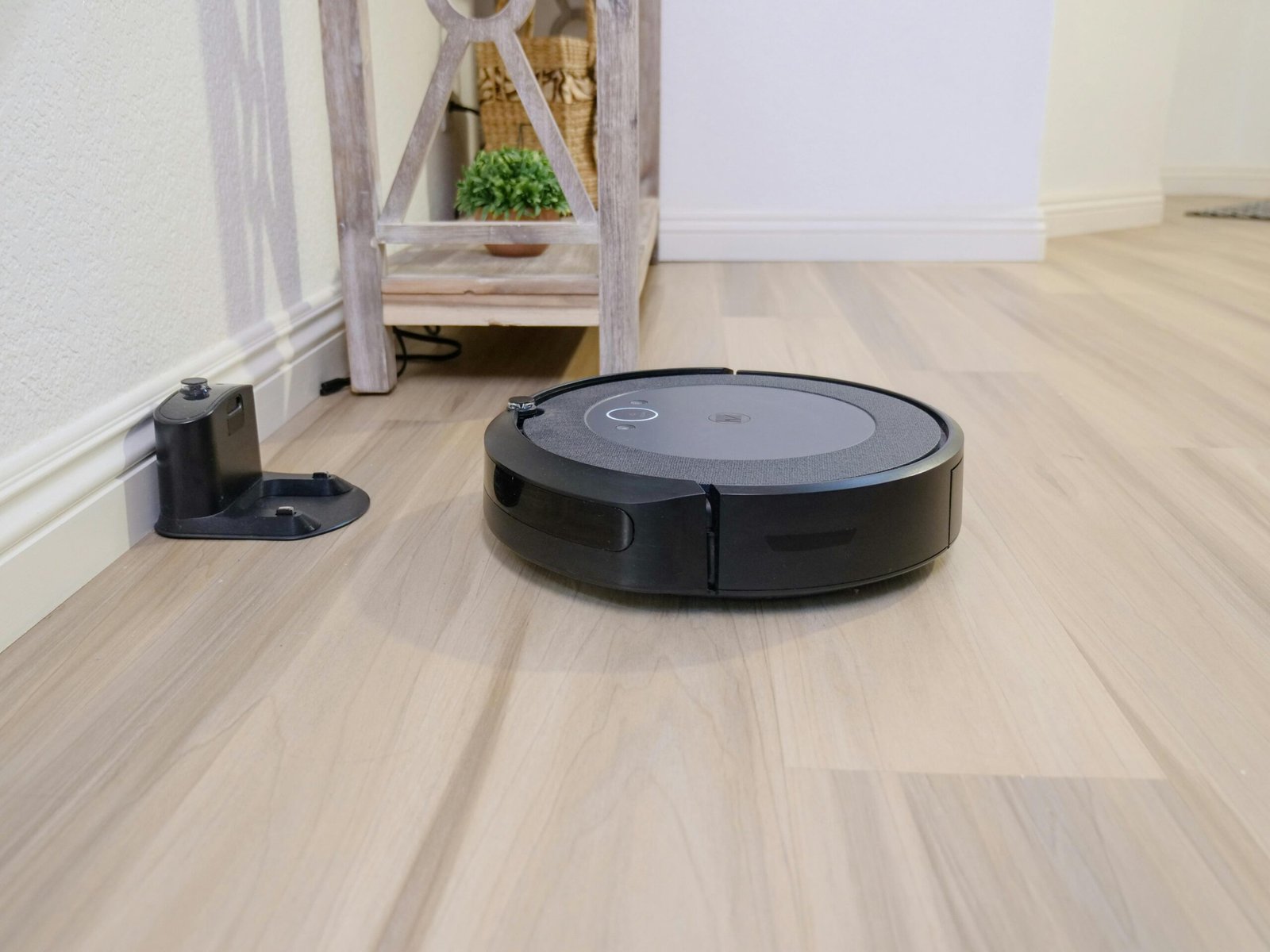
1) Autonomous floor care – Vacuuming, mopping and combined systems
What they replace: daily sweeping, vacuuming, mopping and the repeated core of emptying dustbins ore refilling mops.
How AI helps: modern robot cleaners combine advanced sensors (LiDAR, stereo, cameras, 3D structured light), machine vision and onboard mapping to create accurate floor maps, detect obstacles (furniture , pet bowls, toys) and choose efficient cleaning paths. AI also recognizes room types and surfaces and can automatically adapt suction, brush speed or mop behaviour. Some platforms learn household patterns over time-scheduling themselves around your routines and avoiding problem spots.
Notable examples and developments: Roborock and Ecovacs continue to push AI navigation and obstacle avoidance, Roborock’s recent models use reactive-AI systems with 3D sensing, Ecovacs showcased new smart navigation and hands-free base stations at recent industry shows. iRobot (Roomba) still remains a major name with higher-end models combining mapping and smarter modes, though the market is competitive and companies financial fortunes and product strategies shift rapidly.
Practical effect: in many homes a high-end robot can remove daily dust and hair automatically, reducing manual vacuum sessions to targeted deep cleans. For busy households this replaces a frequent recurring manual core.
2) Robotic lawn mowers and garden maintenance
What they replace: Weekly mowing, edging and constant supervision of lawn-care equipment.
How AI helps: robotic mowers navigate yard topology using GPS, perimeter wires or increasingly camera/vision systems and on-device AI to detect obstacles and map the lawn without extensive installation. They can work at night return to charge autonomously, and follow schedules learned or set by the owner.
Notable examples and developments: Brands such as Worx Landroid and Husqvarna Automower are established in consumer robotic mowers. Husqvarna has been rolling out AI vision capabilities to make installation easier (wire-free options), improve obstacle avoidance and refine edge detection-a major step toward low-touch lawn care.
Practical effect: for homeowners with lawns, robotic mowers can take care of regular trimming and cut down hours spent pushing a mower, through they still require occasional supervision for seasonal tasks and complex landscaping.
3) Smart kitchen assistants and “smart ovens”
What they replace: constant monitoring of cooking times/temperatures, guesswork in recipes and manual adjustments.
How AI helps: smart ovens and countertop appliances use embedded sensors (temperature probes, cameras), recipe database and AI to recognize foods, suggest cooking program and automatically control heat and time for consistent results. They can recommend recipes based on what’s in your fridge or pantry and integrate with apps and voice assistants.
Notable examples: The June Oven (and similar smart countertop ovens) offers food recognition, guided recipes and app control that automate many cooking steps. Other appliance makers embed more AI into ranges, air fryers and multi-cookers to lower the skill/time required for good results.
Practical effect: These tools reduce the mental load of cooking, help less-experienced cooks produce reliable meals, and cut the “staring at the oven” time that used to be required for many dishes.
4) Smart refrigerators, pantry monitoring and inventory assistants
What they replace: manual inventory checks, expired food discovery and family calendar reminders.
How AI helps: smart fridges with cameras, weight sensors and voice recognition can identify items, track usage patterns, suggest meals from what you have, and surface reminders (e.g; milk running low). integration with calendars and family profiles personalizers reminders and suggestions.
Notable developments: Major appliance makers (Samsung’s Bespoke AI Family Hub and others) are increasingly adding voice recognition and personalized displays to the fridge, enabling the fridge to recognize family members and tailor what it shows. These appliances are evolving into centralized information hubs, not just cold storage.
Practical effect: families gain fewer surprise “out of milk” moments and better food rotation; however, these systems still require users to accept some trade-offs around cost and connected privacy.
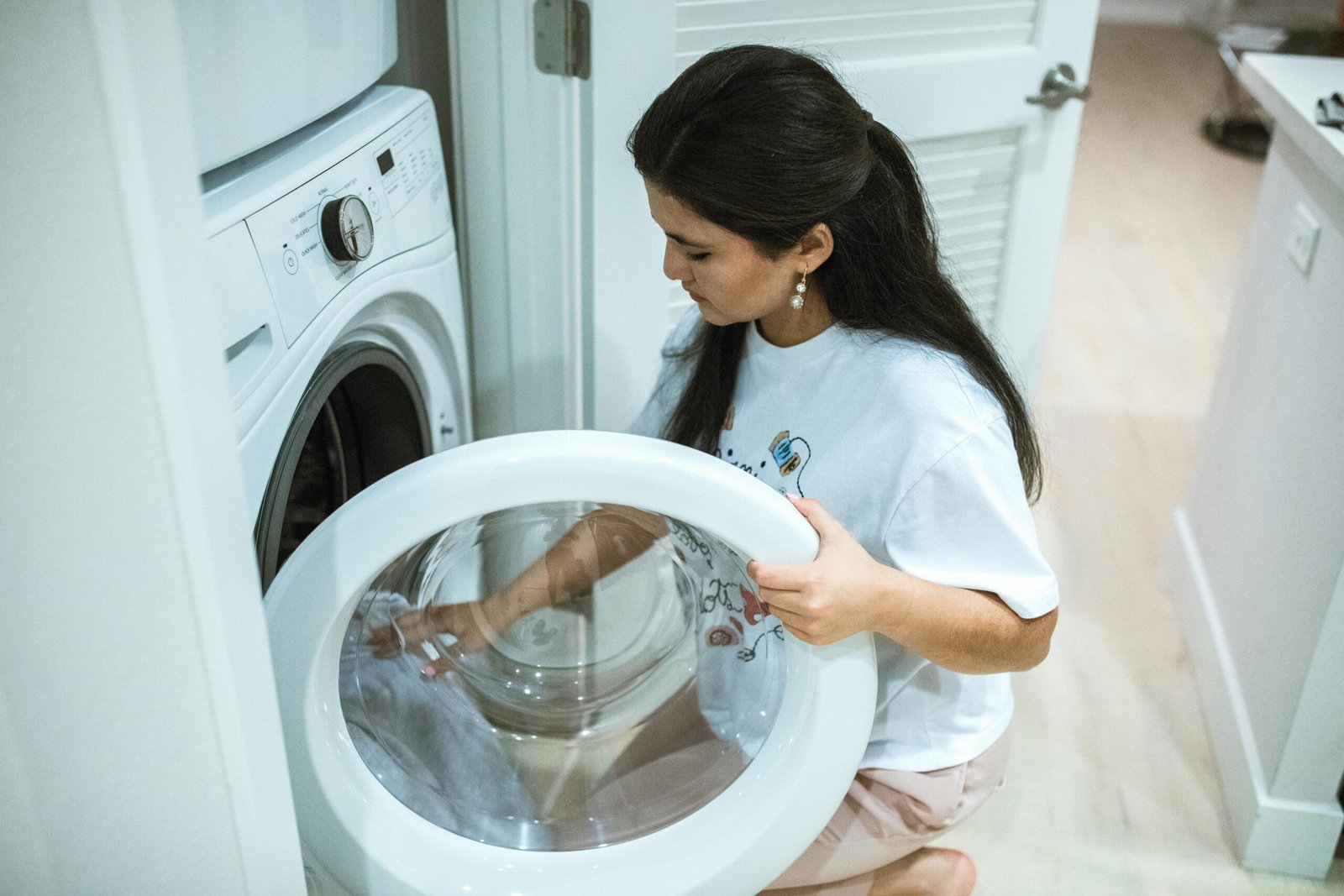
5) Laundry helpers-sorting, folding and intelligent washers/dryers
What they replace: time-consuming sorting, folding and repeated load management.
How AI helps now: modern washers/dryers include load sensing and cycle optimization (auto detergent dosing, fabric detection, cycle length), which reduce manual intervention. Vision and robotics aimed at automated folding are experimentally promising but not yet widespread consumer staples.
Reality check: several high-profile attempts to create fully autonomous folding machines (e.g; Laundroid) struggled commercially and failed; other startups (e.g; Foldimate) have demonstrated prototypes but full, reliable consumer rollouts remain limited. That means while AI has already reduced time spent loading and selecting cycles, fully robotized folding and wardrobe management is still emerging and not yet a mass-market replacement for human folding.
Practical effect: except smarter washers/dryers to keep getting better at hands-off cycles; automated folding for whole households mat arrive slowly and initially as expensive add-ons or subscription services.
6) Home security, monitoring and pet care
What they replace: manual checking of doors, cameras, checking in on pets/elderly relatives.
How AI helps: modern cameras and doorbells use on-device or cloud AI to detect people vs animals, identify packages, flag unusual motion and reduce false positives. Smart pet feeders and camera-integrated devices can dispense food on schedule and alert you when a pet needs attention.
Practical effect: AI reduces the number of false alarms and surfaces only the events you care about, replacing time spent scrolling through hours of footage. Integration with emerging services and automated alerts provides new layers of passive protection-but users should weigh privacy and cloud-service dependencies.
7) Virtual assistants that coordinate chores, shopping and schedules
What they replace: mental load of remembering tasks, manual list making and repetitive scheduling.
How AI helps: voice assistants (Alexa, Google Assistant, Siri) and newer multimodal agents can manage grocery lists, set reminders, help with meal planning, reorder staples automatically and even interface with appliances to run tasks on schedule. Increasingly, agents can handle multi-step tasks (e.g; “prepare house for guests” : set thermostat, start oven preheat, request cleaning robot to run).
Practical effect: The household “project manager” becomes a digital agent that coordinate devices and services, reducing back-and-forth and cognitive friction for routine logistics.
Benefits: why these AI tools matter
- Time reclaimed: routine chores can be reduced from hours per week to minutes of oversight.
- Consistency: AI-controlled devices follow optimized patterns (mowing, cleaning, cooking) more consistently than humans balancing a busy schedule.
- Safety and health: sensors can detect hazards (smoke, leaks) earlier and reduce injury risk (e.g; robot mowers working when you’re away).
- Accessibility: people with mobility limits or cognitive impairments gain autonomy when repetitive physical tasks are automated.
Limits, risks and trade-offs
- Cost and value – many advanced devices still carry premium prices; calculate total cost (device + installation + subscription).
- Reliability – AI systems can fail in edge cases: unusual clutter, complex lawns or garments that confuse folding robots. Expect mixed results early in adoption.
- Vendor lock-in and cloud dependence – features often depend on cloud services; if a company fails or discontinues the service, functionality can be reduced (an issue that has affected some robot-maker customers).
- Privacy – continuous cameras, inside-appliance microphones and cloud processing raise privacy considerations; read policies carefully and prefer on-device processing where possible.
- Environmental and maintenance costs – robotics require maintenance (brushes, blades) battery replacements and sometimes consumables (filters, detergents).
Buying checklist – what to look for when replacing a manual task
- Core capability: Does the device actually solve the task you hate doing, or is it a partial convenience?
- Autonomy level: How much setup and daily oversight does it still require?
- Ecosystem and integrations: Works with your existing smart home platforms?
- Privacy & data control: Is processing done locally or in the cloud? Can you remove your data?
- Support & longevity: Company track record, warranty and software update policy – especially important for cloud-connected products.
- Total cost of ownership: Purchase price + subscription + maintenance.
How to adopt smart home AI without friction
- Start with one trustworthy device (e.g; robot vacuum) to learn pros/cons before scaling up.
- Use network segmentation for appliances (separate Wi-Fi for IoT devices) to reduce security risk.
- Prefer on-device AI where possible and opt out of cloud features you don’t need.
- Keep physical backups: e.g; a manual broom or a neighbor who can mow in emergencies.
What’s next – 3-5 year horizon
- More on-device AI: to improve privacy and reduce dependency on cloud services, more learning will happen locally on the appliance.
- Batter interoperability: smart home standards are slowly improving, which will let devices coordinate more seamlessly.
- Expanded specialized robotics: expect more mature (and affordable) solutions for folding, dishwashing automation and true hands-free laundry workflows – but timeline and price are uncertain because prior attempts have struggled commercially.
Final Thoughts
AI tools are already replacing or dramatically reducing many manual household tasks. Robot vacuums, smart mowers, connected kitchen appliances, smarter washers/dryers and AI assistants together shift chores from repeated manual labor into scheduled, monitored automation. That transition brings real benefits – time back, fewer mistakes, better accessibility – but also trade-offs in cost, privacy and occasional reliability issues. The smartest path for most households is incremental adoption: pick the chore that costs you the most time or stress, trail a well-related product, and expand when the ROI (time, health, convenience) is clear.